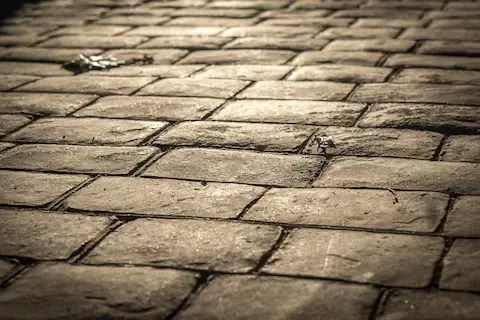
Stamped Concrete Patterns for Camas WA Outdoor Spaces
Choosing a surface pattern for an outdoor concrete project is one of those decisions that looks simple until you start comparing options side by side. Stamped concrete gives you the visual character of stone, brick, or wood without the maintenance demands those materials bring, but not every pattern suits every setting — or every climate. In Camas and the broader Clark County area, rainfall, temperature swings, and the texture of Pacific Northwest landscaping all factor into which patterns hold up and look right over the long term.
What Stamped Concrete Patterns Are Actually Available
The range is wider than most homeowners expect. Stamped concrete patterns fall into a few broad families: geometric patterns like ashlar slate, running bond brick, and herringbone; organic or stone-look patterns like flagstone, cobblestone, and random slate; and wood-plank textures that mimic the look of decking. Each family creates a different visual weight and texture depth, and those differences matter when you're designing a space meant to work with your existing landscaping or home exterior.
Ashlar slate is one of the most popular choices in the region. It produces clean rectangular cuts with a slightly textured surface, which reads as both modern and natural depending on the color wash applied over it. Herringbone and running bond brick patterns carry a more traditional feel and pair well with craftsman-style homes common throughout Camas. For properties with heavy tree coverage and a natural garden aesthetic, flagstone and random slate patterns tend to disappear into the landscape in the best possible way.
How Clark County Weather Affects Pattern Selection
This is the practical consideration most guides skip. Western Washington gets consistent rain from fall through spring, and that moisture interacts with your concrete surface in a few important ways. Deeper-stamped textures — the kind that create strong shadow lines and pronounced relief — tend to channel water more effectively than shallow impressions. That drainage matters on patios, pool surrounds, and walkways where standing water creates a slip hazard.
Softer cobble looks with rounded impressions can collect debris and moss more easily in a wet climate. Slate and ashlar patterns with crisper edges tend to stay cleaner with routine rinsing and are easier to reseal when that time comes. This isn't a reason to avoid cobblestone patterns entirely, but it's worth factoring into your decision alongside aesthetics. If you're asking our stamped patio installations team about past projects in Camas, you'll hear this come up consistently.
Temperature matters too. Camas sees enough freeze-thaw cycles in winter months to stress any exterior concrete surface. Properly sealed stamped concrete handles this well, but pattern depth and texture influence how well a sealant coat maintains adhesion over time. Smoother, more consistent textures like ashlar slate give sealant a better surface to bond with uniformly.
Matching Patterns to Specific Outdoor Spaces
Not every pattern works equally well in every application. A few general principles apply across most residential projects in the area:
- Driveways benefit from larger-scale patterns with strong directional lines. Ashlar stone or large-format slate keeps a driveway looking proportional and doesn't get visually lost under vehicle traffic.
- Patios give you more creative flexibility. Herringbone, random flagstone, and fan patterns all work well here, especially when bordered with a contrasting color or texture band.
- Walkways and paths suit running bond brick or plank patterns that lead the eye naturally and reinforce the sense of direction.
- Pool surrounds and outdoor entertainment areas in Camas neighborhoods benefit from patterns with enough texture to prevent slipping but not so much that bare feet are uncomfortable.
The connection between your indoor flooring and outdoor concrete is worth thinking about as well. Homes in East Vancouver and the Camas corridor often have stone tile or hardwood interiors, and carrying a complementary pattern outdoors — even at a different scale — creates visual continuity between spaces.
Color and Pattern Work Together
Pattern selection and color selection are inseparable. The same ashlar slate stamp looks completely different under a charcoal antiquing wash versus a warm sandstone base coat with a light brown release. In Clark County's overcast light, cool tones tend to read more naturally and don't fade as dramatically as warm tones that look best in direct sun. That said, warm color palettes work beautifully on south-facing patios that get afternoon light.
Color release agents, integral pigments, and acid stains all interact with the pattern's texture differently. Deeper patterns catch more of the color release, which accentuates the relief and makes the surface read more like natural stone. Shallower patterns with minimal release look more contemporary and less rustic. Neither is wrong — they're just producing different results, and knowing what you're looking for before work begins prevents surprises after the pour.
Realistic Expectations for Long-Term Appearance
Stamped concrete looks best when it's properly sealed and resealed on a regular schedule — typically every two to three years depending on traffic and sun exposure. In Camas, shade from large conifers can slow UV degradation but increases the chance of surface algae in damp months. High-gloss sealers show wear more visibly than matte or satin finishes; for high-traffic areas, a lower sheen tends to age more gracefully.
Pattern edges that are well-defined at installation can soften slightly over years of use, particularly in driveway applications. This is normal and doesn't indicate a problem with the original work, but it does mean that very fine-detail patterns may not hold their initial sharpness as long as bolder, simpler ones. For Stamped Concrete projects designed to hold up for decades, simplicity in pattern selection is often the more durable choice.
Working with Local Conditions and Property Style
Camas sits in a particular visual and environmental context — mature tree canopy, Pacific Northwest landscaping, craftsman and contemporary homes on varied terrain. The right pattern respects that context. A herringbone brick driveway in front of a 1920s bungalow near downtown Camas reads as appropriate and considered. The same pattern in front of a modern flat-roofed home off NE Everett Street might feel like a mismatch.
Taking time before the project begins to look at the whole property — the home's architectural style, the surrounding vegetation, the existing hardscape — usually leads to pattern choices that feel intentional rather than incidental. Contractors working regularly in Clark County develop a sense for what combinations hold up visually and physically over time, which is part of the value they bring beyond the installation itself.
