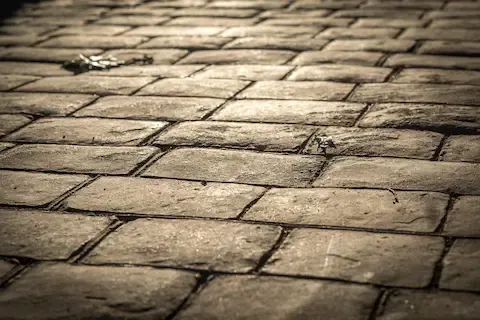
Stamped Concrete Installation in Camas Washington Homes
Stamped concrete transforms ordinary concrete surfaces into stunning decorative features that mimic premium materials like brick, stone, and slate at a fraction of the cost. For Camas, Washington homeowners, this innovative technique offers an ideal solution for creating beautiful driveways, patios, walkways, and pool decks that withstand our region's unique climate challenges while delivering lasting visual appeal.
Understanding Stamped Concrete Installation Process
The stamped concrete installation process begins with careful site preparation and excavation to ensure proper drainage and structural integrity. Professional contractors in Camas typically start by removing existing surfaces and establishing proper grade levels that direct water away from structures. Base preparation involves compacting subgrade materials and installing reinforcement steel to prevent cracking during freeze-thaw cycles common in Southwest Washington.
Once the foundation is prepared, contractors pour high-quality concrete mixed with integral color additives that provide consistent coloration throughout the slab. The concrete mixture must achieve specific consistency and workability requirements to accept stamping impressions cleanly. Timing becomes critical during this phase, as contractors must work within narrow windows to apply release agents, position stamps, and create uniform patterns before the concrete hardens.
Pattern stamping requires skilled technique to achieve seamless transitions between stamp impressions. Professional installers use specialized tools to press detailed textures into the concrete surface, creating realistic reproductions of natural materials. Multiple stamp patterns can be combined to create custom designs that complement existing landscape features and architectural elements specific to Camas neighborhoods.
Climate Considerations for Southwest Washington
Camas experiences a temperate oceanic climate with wet winters and dry summers, presenting unique challenges for concrete installations. Excessive moisture during installation can compromise surface quality and color consistency, making proper timing and weather monitoring essential for successful projects. Professional contractors schedule installations during favorable weather windows and employ protective measures when unexpected precipitation threatens.
Freeze-thaw cycles during winter months can cause concrete expansion and contraction, potentially leading to surface cracking and stamp pattern degradation. Quality installations incorporate proper joint spacing, reinforcement placement, and concrete mix designs specifically engineered for regional climate conditions. Additionally, proper drainage systems prevent water accumulation that could compromise structural integrity over time.
The high humidity levels common in the Camas area require adjusted curing processes to achieve optimal concrete strength and surface hardness. Contractors often employ specialized curing compounds and extended protection periods to ensure stamped surfaces develop full structural properties before exposure to normal use conditions.
Popular Stamp Patterns and Design Options
Ashlar slate patterns remain the most requested design choice among Camas homeowners, offering elegant sophistication suitable for both traditional and contemporary architectural styles. This versatile pattern works exceptionally well for pool decks and patio areas where slip resistance and visual appeal combine effectively. The natural stone appearance complements the Pacific Northwest's abundant natural beauty while providing practical functionality.
Brick and cobblestone patterns create classic charm perfect for driveways and walkway applications. These traditional designs integrate seamlessly with historic Camas neighborhoods while offering superior durability compared to actual brick or stone installations. Herringbone and running bond brick patterns provide options for creating unique visual interest that enhances curb appeal.
Wood plank stamping has gained popularity for creating rustic outdoor living spaces that complement Camas's natural forest surroundings. These patterns work particularly well for patio builds across Camas where homeowners desire the warmth of wood appearance without maintenance concerns associated with actual wood decking materials.
Custom texture combinations allow creative design flexibility, incorporating multiple patterns within single projects to define different functional areas. Border treatments using contrasting patterns or colors can highlight specific features while maintaining overall design cohesion throughout the installation.
Color Selection and Finishing Techniques
Integral coloring provides the most durable and consistent color option for stamped concrete installations. This method incorporates color directly into the concrete mix, ensuring uniform appearance that won't fade or wear away over time. Popular earth tone selections work well with Camas's natural environment, including warm browns, subtle grays, and reddish terracotta shades.
Surface release agents create depth and character by highlighting stamp pattern details through contrasting color effects. These specialized products prevent stamps from adhering to concrete while simultaneously depositing accent colors that emphasize texture variations. Professional application techniques ensure even distribution and prevent unsightly color streaking or blotching.
Antiquing and highlighting techniques add sophisticated finishing touches that enhance the realistic appearance of stamped surfaces. Hand-applied antiquing glazes create natural weathering effects, while selective highlighting emphasizes raised pattern areas to increase visual depth and dimension. These artistic finishing methods require skilled craftsmanship to achieve professional results.
Structural Requirements and Reinforcement
Proper reinforcement becomes critical for stamped concrete installations, particularly in areas subject to heavy traffic or structural loads. Steel reinforcement bar placement follows specific spacing requirements determined by anticipated use patterns and local building codes. For residential driveways in Camas, reinforcement typically includes #4 rebar spaced at 18-inch centers in both directions.
Fiber reinforcement provides additional crack control benefits, particularly important for large surface areas without expansion joints. Synthetic and steel fiber additives help distribute stress loads and minimize surface cracking that could compromise stamp pattern integrity. Professional contractors evaluate specific project requirements to determine appropriate reinforcement combinations.
Control joint placement requires careful planning to maintain pattern continuity while providing necessary stress relief. Skilled installers position joints at strategic locations that complement stamp patterns rather than disrupting visual flow. Proper joint spacing prevents random cracking that could damage decorative surfaces and require costly repairs.
Installation Challenges and Solutions
Achieving consistent color throughout large installations requires careful material batching and mixing procedures. Variations in cement content, aggregate composition, or water ratios can create noticeable color differences between concrete pours. Professional contractors maintain strict quality control measures and coordinate material deliveries to ensure color consistency across entire projects.
Weather-related challenges frequently impact stamped concrete installations in the Pacific Northwest. Rain during critical installation phases can wash out surface colors, create texture irregularities, or prevent proper stamp impression formation. Experienced contractors monitor weather forecasts closely and employ protective measures including temporary shelters and specialized curing compounds when necessary.
Site access limitations in established Camas neighborhoods sometimes complicate material delivery and equipment positioning. Contractors must develop creative solutions for concrete placement in areas with limited access while maintaining quality standards. Pump trucks and specialized placement equipment often provide necessary solutions for challenging site conditions.
Maintenance and Long-term Performance
Proper sealer application provides essential protection against water penetration, freeze-thaw damage, and surface staining. Quality acrylic or polyurethane sealers should be applied within 30 days of installation and reapplied every 2-3 years depending on traffic levels and weather exposure. Regular sealer maintenance preserves both appearance and structural integrity of stamped surfaces.
Routine cleaning prevents accumulation of organic debris that could stain surfaces or promote algae growth in Camas's humid environment. Power washing with appropriate cleaning solutions removes surface contaminants without damaging stamp patterns or color treatments. Avoiding harsh chemicals and abrasive cleaning methods helps preserve decorative finishes.
Minor repair procedures can address small cracks or surface imperfections before they develop into major problems. Professional repair techniques using matching color and texture materials maintain appearance consistency while restoring structural integrity. Early intervention prevents minor issues from requiring expensive surface replacement.
Professional Installation Considerations
Selecting qualified contractors with specific stamped concrete experience ensures successful project outcomes. Experienced professionals understand the technical requirements, timing considerations, and quality control measures necessary for creating durable decorative surfaces. Local contractors familiar with Camas soil conditions and climate challenges provide valuable expertise for long-term performance.
Quality Stamped Concrete installations require specialized equipment, materials, and techniques that differ significantly from standard concrete placement. Professional contractors invest in proper stamping tools, release agents, and finishing equipment necessary for achieving consistent results. This specialized knowledge and equipment investment justifies professional installation costs through superior outcomes.
Proper project planning coordinates installation timing with weather conditions, material availability, and site preparation requirements. Professional contractors develop comprehensive installation schedules that account for all variables affecting project success. Clear communication throughout the process ensures homeowner expectations align with realistic project timelines and outcomes.
