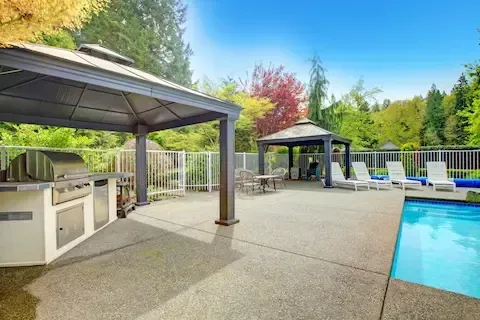
Spring Concrete Patio Prep for Clark County Homeowners
Spring arrives in Clark County with the promise of longer days and warmer weather, making it the perfect time to prepare your concrete patio for months of outdoor enjoyment. After a wet Pacific Northwest winter, your patio likely needs attention to restore its appearance and structural integrity. Taking proactive steps now prevents costly repairs later and ensures your outdoor space is ready for spring and summer gatherings.
Assessing Winter Damage on Your Concrete Patio
Begin your spring preparation by conducting a thorough inspection of your concrete surface. Walk the entire patio area, looking for signs of winter wear including surface staining, efflorescence (white chalky deposits), small cracks, and areas where the sealant appears worn or missing. Pay special attention to areas near downspouts, under roof overhangs, and spots where water tends to pool during Clark County's rainy season.
Check for any shifting or settling that may have occurred during freeze-thaw cycles. Even minor temperature fluctuations can cause concrete to expand and contract, potentially creating hairline cracks or widening existing ones. Document problem areas with photos to track your progress and help prioritize repair tasks.
Examine the joints between concrete slabs and where the patio meets your home's foundation. These transition areas are particularly vulnerable to water infiltration and may require caulking or joint sealing as part of your spring maintenance routine.
Deep Cleaning Your Concrete Surface
Start the cleaning process by removing all furniture, planters, and decorative items from your patio. Sweep thoroughly to eliminate loose debris, leaves, and organic matter that accumulated over winter. Use a leaf blower for hard-to-reach corners and textured surfaces where debris tends to collect.
For general cleaning, mix a solution of warm water and mild detergent or concrete cleaner specifically designed for outdoor surfaces. Avoid harsh chemicals that can damage concrete or harm surrounding vegetation. Apply the cleaning solution with a stiff-bristled brush, working in manageable sections to prevent the cleaner from drying on the surface.
Address specific stains according to their type. Oil stains respond well to degreasing agents or cat litter applied overnight to absorb residue. Rust stains may require specialized rust removers, while organic stains from leaves or berries often lift with oxygen bleach solutions. For stubborn stains or heavily soiled areas, consider pressure washing with appropriate pressure settings to avoid surface damage.
After cleaning, rinse thoroughly with clean water and allow the patio to dry completely before proceeding with sealing or repair work. Complete drying may take 24-48 hours depending on weather conditions and concrete porosity.
Minor Crack Repair and Surface Restoration
Address hairline cracks promptly to prevent water infiltration and further deterioration. Clean cracks thoroughly with a wire brush or compressed air to remove loose debris and ensure proper adhesion of repair materials. For cracks less than 1/4 inch wide, use concrete crack filler or hydraulic cement following manufacturer instructions.
Apply crack filler slightly above the surrounding surface level to account for settling as the material cures. Use a putty knife or trowel to smooth the repair, feathering edges to blend with the existing concrete. Allow repairs to cure completely according to product specifications before subjecting the area to foot traffic or sealing.
For surface spalling or minor chips, concrete patching compound provides effective restoration. Clean the damaged area thoroughly, dampen with water, and apply patching material with a trowel, matching the surrounding texture as closely as possible. Consider hiring professionals for extensive damage or cracks wider than 1/4 inch, as these may indicate underlying structural issues requiring patio installation expertise.
Resealing for Weather Protection
Concrete sealing provides crucial protection against Camas weather conditions, preventing water penetration, staining, and surface deterioration. Test existing sealant by sprinkling water on the surface - if water beads and runs off, the sealant is still effective. If water absorbs quickly into the concrete, resealing is necessary.
Choose an appropriate sealer for your specific concrete type and intended use. Penetrating sealers provide invisible protection while maintaining the concrete's natural appearance, making them ideal for textured or stamped surfaces. Film-forming sealers create a protective barrier and can enhance color and sheen but may require more frequent maintenance.
Apply sealer during mild weather conditions with temperatures between 50-80 degrees Fahrenheit and low humidity. Avoid application during direct sunlight or when rain is expected within 24 hours. Use a paint roller, brush, or sprayer according to manufacturer recommendations, applying thin, even coats to prevent pooling or streaking.
Allow proper curing time between coats and before allowing foot traffic. Most sealers require 24-48 hours for initial cure and up to a week for full strength development.
Drainage and Water Management
Proper drainage protects your concrete investment and prevents water-related damage. Inspect gutters and downspouts to ensure they direct water away from your patio area. Clear any debris from drainage systems and verify that water flows away from the concrete rather than pooling on the surface.
Check the grade around your patio perimeter, ensuring the slope directs water toward appropriate drainage areas rather than against your home's foundation or into landscaped areas where it might cause erosion problems. Add or adjust gravel, mulch, or soil as needed to maintain proper drainage patterns.
Consider installing or maintaining French drains, catch basins, or other drainage solutions if your patio experiences persistent water issues. Poor drainage not only damages concrete but can also create slip hazards and limit usability during Clark County's wet seasons.
Preparing for Professional Services
Some spring maintenance tasks require professional expertise, particularly for extensive repairs, structural issues, or specialized treatments. Schedule professional inspections early in the season when contractors have better availability and can address problems before they worsen during heavy use periods.
Professional services become necessary for cracks exceeding 1/4 inch width, surface spalling covering large areas, significant settling or heaving, or drainage problems requiring excavation or specialized equipment. Early identification and professional intervention prevent minor issues from becoming major reconstruction projects.
When selecting contractors for Clark County patio construction or repair work, verify licensing, insurance, and local references. Established professionals understand regional weather patterns, soil conditions, and local building codes affecting concrete work in the Camas area.
Maintaining Your Investment Year-Round
Spring preparation sets the foundation for year-round patio maintenance that protects your concrete investment and ensures continued enjoyment of your outdoor space. Establish a regular cleaning schedule, addressing spills and stains promptly to prevent permanent damage.
Monitor your patio throughout the year for signs of wear or damage, addressing minor issues before they require major repairs. Reapply sealant according to manufacturer recommendations and local weather conditions, typically every 2-3 years for most products.
Document your maintenance activities and any changes in your patio's condition. This information helps identify patterns, plan future maintenance, and provides valuable information for professional contractors if major repairs become necessary.
Prep is step one. Timing the sealer is step two. Read when to seal a Camas patio.
