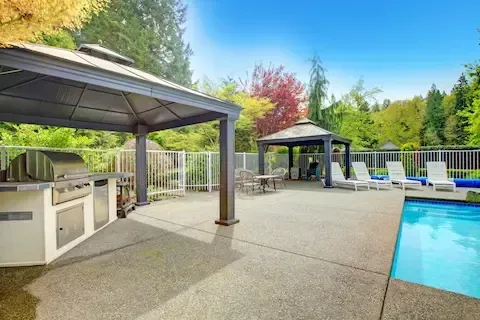
Concrete Patio Construction in Camas Washington Homes
Building a concrete patio transforms your Camas Washington home's outdoor living space into a durable, versatile area perfect for entertaining, dining, and relaxation. The Pacific Northwest's unique climate demands thoughtful patio construction that handles seasonal moisture, temperature fluctuations, and the occasional freeze-thaw cycle. Professional concrete contractors in Clark County understand these regional challenges and design patios that complement your home's architecture while providing decades of reliable outdoor enjoyment.
Planning Your Concrete Patio Project
Successful concrete patio construction begins with careful site evaluation and design planning. Your contractor examines soil conditions, drainage patterns, and existing structures to determine the optimal patio placement and configuration. In Camas, clay-heavy soils require specific preparation techniques to prevent settling and cracking over time.
Size considerations depend on your intended use and available space. Standard residential patios range from 200 to 600 square feet, with larger installations accommodating outdoor kitchens, fire features, or extensive seating areas. Your contractor helps balance your vision with practical limitations like utility lines, septic systems, and local building codes.
Design elements significantly impact both aesthetics and functionality. Stamped concrete mimics natural stone, brick, or tile patterns while maintaining concrete's durability advantages. Exposed aggregate surfaces provide excellent traction and visual interest. Broom-finished concrete offers a cost-effective, slip-resistant option that complements traditional home styles common throughout Clark County neighborhoods.
Proper slope planning ensures effective water drainage away from your home's foundation. Camas receives substantial rainfall throughout fall and winter months, making drainage a critical design element. Your contractor calculates precise grades to direct water toward appropriate drainage areas while maintaining level surfaces for furniture placement.
Site Preparation and Excavation
Professional excavation establishes the foundation for long-lasting patio performance. Contractors remove topsoil, vegetation, and any existing structures within the patio footprint. Excavation depth varies based on local frost line requirements and soil conditions, typically ranging from 6 to 12 inches in the Camas area.
Soil compaction prevents future settling that leads to cracks and uneven surfaces. Heavy equipment compacts the subgrade to specified density levels, creating a stable base for subsequent layers. Areas with problematic soils may require additional stabilization using geotextile fabrics or specialized base materials.
Proper base installation involves laying and compacting granular materials like crushed rock or gravel. This base layer provides drainage, frost protection, and uniform support for the concrete slab. Base thickness typically measures 4 to 6 inches, depending on expected loads and local conditions.
Utility protection becomes essential when excavating near existing services. Your contractor coordinates with utility location services and carefully works around water lines, electrical conduits, and gas services. This coordination prevents costly damage and service interruptions during construction.
Concrete Mix Design and Placement
Climate-appropriate concrete mixes perform better in Pacific Northwest conditions. Your contractor specifies air-entrained concrete that resists freeze-thaw damage common during Camas winters. Proper air content creates microscopic bubbles that accommodate ice expansion without causing structural damage.
Concrete strength requirements vary based on intended use and loading conditions. Standard residential patios utilize 3,000 to 4,000 PSI concrete, while areas supporting heavy outdoor equipment or vehicles require higher strength mixes. Your contractor determines appropriate specifications based on your specific requirements.
Reinforcement options enhance concrete durability and crack resistance. Wire mesh or fiber reinforcement distributes loads and controls minor cracking. Larger patios may require rebar reinforcement, particularly in areas with challenging soil conditions or where patio installation involves significant structural loads.
Placement timing affects concrete quality and finish options. Contractors schedule pours during favorable weather conditions, avoiding extreme temperatures, precipitation, or high winds. Camas's mild summers provide ideal conditions for concrete placement, while spring and fall require careful weather monitoring.
Proper finishing techniques create attractive, functional surfaces. Float finishing produces smooth surfaces suitable for stamped patterns or decorative treatments. Broom finishing adds texture for slip resistance. Trowel finishing creates very smooth surfaces appropriate for covered areas or specific design requirements.
Decorative Options and Surface Treatments
Stamped concrete offers numerous pattern and color possibilities that complement Camas home styles. Popular patterns include natural stone textures, brick layouts, and custom designs that coordinate with existing hardscaping. Integral color additives or surface stains create realistic appearances that age gracefully over time.
Exposed aggregate finishes showcase decorative stone selections while providing excellent durability. Local aggregate options include river rock, crushed granite, and specialized decorative stones that reflect Pacific Northwest aesthetics. These surfaces require minimal maintenance while offering superior traction in wet conditions.
Colored concrete transforms plain gray surfaces into design features that enhance your property's curb appeal. Earth tones work well with natural Camas settings, while custom colors can match specific architectural elements or personal preferences. Professional color application ensures uniform results and long-term colorfastness.
Saw-cut patterns create visual interest while providing controlled locations for thermal expansion and contraction. Geometric patterns, random layouts, and custom designs break up large patio surfaces and add architectural detail. Proper joint placement also reduces random cracking that can detract from appearance.
Climate Considerations for Pacific Northwest Patios
Moisture management becomes particularly important in Camas's wet climate. Proper drainage design includes adequate slope, strategic joint placement, and connection to existing drainage systems. Surface treatments like sealers provide additional moisture protection while enhancing appearance and durability.
Freeze-thaw resistance requires specific concrete formulations and construction techniques. Air-entrained concrete, proper curing procedures, and appropriate joint spacing accommodate thermal movement without structural damage. Professional contractors understand local climate patterns and design accordingly.
Seasonal maintenance requirements vary throughout the year. Fall cleaning removes leaves and debris that can stain surfaces or block drainage. Winter applications of appropriate de-icing products prevent damage from ice removal. Spring inspections identify any minor issues before they become major problems.
Sun exposure patterns affect concrete performance and appearance over time. Areas receiving significant UV exposure may benefit from protective sealers or specific color selections that resist fading. Covered patio sections require different considerations for moisture exposure and cleaning requirements.
Construction Process and Timeline
Professional concrete patio construction follows established sequences that ensure quality results. Initial site preparation typically requires 1-2 days, depending on project complexity and soil conditions. Excavation, base installation, and utility coordination must be completed before concrete placement can begin.
Concrete placement and finishing usually occurs in a single day for most residential projects. Larger or complex installations may require multiple pours or extended finishing time. Weather conditions significantly impact scheduling, particularly during Camas's wet season when contractors must work around precipitation forecasts.
Curing time affects both strength development and surface durability. Initial set typically occurs within 24-48 hours, allowing light foot traffic. Full strength development requires 28 days, though normal use can begin after one week. Proper curing involves maintaining appropriate moisture levels and temperatures during this critical period.
Quality control measures throughout construction ensure long-term performance. Professional contractors test concrete strength, monitor curing conditions, and inspect all aspects of installation. Documentation provides warranty support and reference information for future maintenance or modifications.
Common Installation Challenges
Poor drainage planning leads to standing water, ice formation, and premature concrete deterioration. Professional contractors evaluate existing drainage patterns and modify grading as necessary to direct water away from the patio surface. Proper slope calculation prevents both drainage problems and uncomfortable walking surfaces.
Inadequate base preparation causes settling, cracking, and uneven surfaces that require expensive repairs. Shortcuts in excavation depth, soil compaction, or base material quality create long-term problems that compromise patio performance. Professional installation includes thorough base preparation appropriate for local soil conditions.
Improper joint placement results in random cracking that affects both appearance and durability. Control joints must be placed at appropriate intervals and depths to accommodate concrete movement. Expansion joints near structures prevent damage from thermal movement and settling.
Weather-related installation problems occur when contractors ignore forecasts or rush scheduling. Concrete placed during inappropriate conditions suffers from reduced strength, surface defects, or curing problems. Experienced Clark County contractors schedule work during suitable weather windows and adjust procedures for seasonal conditions.
Integration with Existing Landscaping
Successful patio installation considers existing and planned landscaping elements. Proper elevation coordination prevents drainage problems while maintaining attractive transitions between patio surfaces and surrounding lawn or garden areas. Professional grading creates seamless visual flow throughout your outdoor space.
Plant selection near concrete patios affects long-term maintenance requirements. Tree roots can cause lifting and cracking if planted too close to concrete surfaces. Your contractor recommends appropriate setback distances and may suggest root barriers for existing trees that cannot be relocated.
Irrigation system coordination prevents conflicts during excavation and ensures proper coverage after patio completion. Existing sprinkler lines require protection or relocation during construction. New irrigation may need adjustment to accommodate changed drainage patterns and water requirements around the patio area.
Lighting integration enhances patio usability and safety during evening hours. Conduit installation during concrete placement provides clean, permanent solutions for landscape lighting, outlet locations, or future electrical needs. Proper planning eliminates the need for surface-mounted conduits that detract from appearance.
Professional Installation Benefits
Licensed concrete contractors bring specialized knowledge of local building codes, permit requirements, and construction standards. Clark County regulations specify certain requirements for residential concrete work, and professional contractors ensure compliance throughout the installation process. Proper permitting protects homeowners from potential legal and insurance complications.
Professional equipment access enables efficient, high-quality installation that DIY approaches cannot match. Concrete mixers, compaction equipment, and specialized finishing tools produce superior results in significantly less time. Professional contractors also maintain relationships with local suppliers, ensuring appropriate materials and timely delivery.
Warranty protection provides peace of mind and financial protection for your investment. Reputable contractors stand behind their work with comprehensive warranties covering materials, workmanship, and performance. This protection proves valuable if issues develop during the warranty period.
Insurance coverage protects both contractors and homeowners during construction activities. Professional contractors carry liability insurance, workers' compensation, and bonding that protects homeowners from potential claims or damages during construction. This coverage provides essential protection that DIY installations cannot offer.
Experience with Camas concrete slab pours enables contractors to anticipate and prevent common problems before they occur. Local contractors understand soil conditions, climate factors, and construction challenges specific to the Camas area, resulting in installations that perform well over time.
Long-term Value and Maintenance
Quality concrete patios provide decades of service with minimal maintenance requirements. Regular cleaning, occasional sealing, and minor crack repair maintain appearance and performance throughout the patio's lifespan. Professional installation ensures that maintenance requirements remain minimal while maximizing return on investment.
Property value enhancement makes concrete patio installation a sound financial decision. Well-designed outdoor living spaces increase home marketability and sale prices, often returning 70-80% of installation costs at resale. Quality construction ensures that these value benefits persist throughout ownership.
Energy efficiency benefits include reduced indoor cooling costs during summer months when outdoor entertaining moves activities outside. Concrete's thermal mass properties help moderate temperature extremes, creating comfortable outdoor environments that extend usable seasons for outdoor activities.
Professional concrete patio construction transforms Camas Washington homes with durable, attractive outdoor living spaces designed for Pacific Northwest conditions. Working with experienced local contractors ensures installations that provide decades of reliable performance while enhancing property value and outdoor enjoyment.
