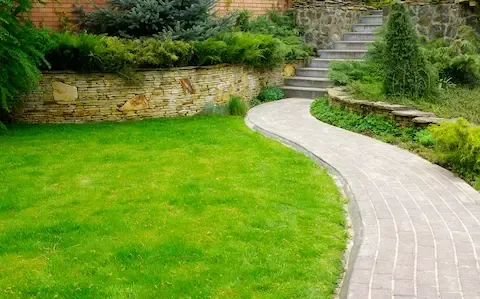
Retaining Wall Drainage for Camas Steep Rainy Slopes
Proper drainage is absolutely critical for retaining walls on Camas's steep, rain-soaked slopes. Without adequate drainage systems including weep holes, drain rock, and perforated pipe, hydrostatic pressure from Clark County's 40+ inches of annual rainfall will cause even well-built walls to fail. The combination of steep terrain and Pacific Northwest precipitation creates unique challenges that require specific drainage solutions to prevent costly structural damage and ensure long-term wall stability.
Why Does Camas Rain Create Drainage Problems for Retaining Walls?
Camas receives over 40 inches of precipitation annually, with most falling during extended winter months. This sustained rainfall saturates the soil behind retaining walls, creating hydrostatic pressure that can exceed the wall's design capacity. Unlike drier climates where occasional rain events pose manageable challenges, the Pacific Northwest's prolonged wet seasons mean retaining walls face constant water pressure for months at a time.
The steep topography throughout Camas compounds this issue. Gravity pulls water downhill, concentrating flow against retaining walls and increasing the likelihood of water accumulation behind the structure. Professional retaining wall installations must account for both the volume and duration of water exposure unique to this region.
What Drainage Components Are Essential for Clark County Retaining Walls?
Effective retaining wall drainage requires three primary components working together. Weep holes provide immediate water release points, typically spaced every 6-8 feet along the wall face and positioned 6 inches above ground level. These holes allow trapped water to escape before pressure builds to dangerous levels.
Drain rock, usually 3/4-inch crushed gravel, creates a permeable layer directly behind the wall. This aggregate allows water to flow freely to collection points rather than pooling against the concrete or masonry surface. The drain rock should extend at least 18 inches behind the wall and run the full height of the structure.
Perforated drain pipe, installed at the base of the wall within the gravel layer, collects and channels water away from the foundation. The pipe should have a minimum 1% slope to ensure proper flow and connect to a suitable discharge point downhill from the wall location.
How Do Steep Slopes Affect Drainage Design in Camas?
Steep slopes create additional drainage challenges that standard designs may not address adequately. Water velocity increases on steeper grades, potentially overwhelming standard weep hole capacity during heavy rainfall events. This requires closer spacing of drainage outlets and possibly larger diameter holes to handle peak flows.
Slope stability becomes interconnected with wall drainage on steep sites. Saturated soils above the wall can become unstable, creating additional lateral pressure beyond normal soil loads. Proper drainage design must consider both the immediate wall area and upslope water management to prevent slope failures that could compromise the entire structure.
Installing effective drainage on steep slopes often requires specialized equipment and techniques to safely place materials and ensure proper compaction. Clark County retaining wall work on challenging terrain demands experienced contractors familiar with local conditions and proper safety protocols.
What Are Common Drainage Mistakes on Camas Retaining Walls?
Many retaining wall failures result from inadequate drainage planning during the design phase. Contractors unfamiliar with Pacific Northwest conditions may use drainage specifications appropriate for drier climates, resulting in systems that cannot handle Camas's sustained rainfall periods.
Improper backfill material represents another frequent error. Using native clay soils or fine materials instead of free-draining gravel creates a bathtub effect behind the wall. Water becomes trapped rather than flowing to drainage outlets, building pressure until structural failure occurs.
Neglecting proper outlet design can render an otherwise well-planned drainage system ineffective. Drain pipes that discharge into areas where water can pond or flow back toward the wall create ongoing problems. Outlets must direct water to stable discharge points with adequate capacity for expected flows.
How Should Drainage Systems Handle Camas Winter Conditions?
Freeze-thaw cycles in Camas require drainage systems designed for winter operation. Weep holes and drain outlets must remain functional during freezing conditions to prevent ice blockages that could trap water behind the wall. This may require protective measures or strategic positioning to minimize freeze risk.
Winter construction scheduling affects drainage installation quality. Concrete and masonry work performed in cold, wet conditions may not achieve proper curing, compromising long-term durability. Professional contractors plan drainage installations during favorable weather windows when materials can cure properly.
Seasonal maintenance becomes crucial for long-term drainage effectiveness. Fall leaf accumulation can clog weep holes and drain outlets, while winter debris may block discharge points. Property owners should inspect and clear drainage components regularly, especially before and after major storm events.
What Local Factors Affect Drainage Design in Clark County?
Clark County's building codes include specific requirements for retaining wall drainage based on local soil conditions and precipitation patterns. These standards often exceed minimum national codes, reflecting the unique challenges posed by Pacific Northwest weather and geology.
Soil composition varies significantly across the Camas area, from glacial deposits to volcanic soils, each with different drainage characteristics. Professional soil analysis helps determine appropriate drainage design for specific site conditions and ensures compliance with local engineering standards.
Environmental regulations may affect drainage outlet design and discharge locations. Storm water management requirements could influence where and how drainage systems can discharge, particularly on sites near sensitive areas or existing drainage infrastructure. The same groundwater that loads a wall also moves up through a slab. Read vapor barrier requirements for Camas slabs.
