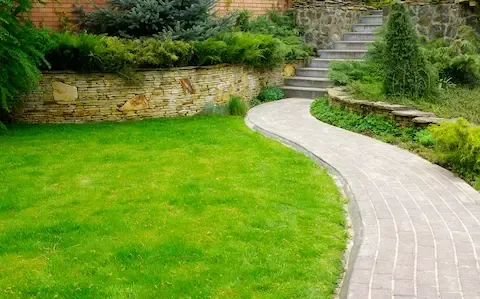
Retaining Wall Construction in Camas Washington Areas
Retaining walls serve as essential structural elements throughout Clark County, where steep terrain and significant rainfall create unique challenges for property owners. In Camas and surrounding areas, these walls must withstand both soil pressure and the region's wet climate conditions. Professional construction ensures your retaining wall functions effectively for decades while enhancing your property's usability and value.
Understanding Retaining Wall Types and Materials
Several retaining wall options work well in the Pacific Northwest climate. Concrete retaining walls offer exceptional durability and can be designed to handle significant soil loads common in hilly Camas neighborhoods. These walls resist moisture penetration and maintain structural integrity through freeze-thaw cycles that occur during winter months.
Block retaining walls provide another reliable option, with interlocking systems that accommodate ground movement while maintaining stability. Natural stone walls blend seamlessly with the area's landscape aesthetic, though they require careful engineering to ensure proper drainage behind the wall structure.
Timber retaining walls work well for shorter applications, typically under four feet in height. However, the wet climate in Clark County can reduce timber longevity compared to concrete or stone options. Steel retaining walls offer slim profiles for tight spaces but require proper corrosion protection in this moisture-rich environment.
Site Assessment and Design Considerations
Effective retaining wall construction begins with thorough site evaluation. Soil composition varies significantly across Camas, from clay-heavy areas near the Columbia River to rockier terrain in elevated neighborhoods. Professional soil analysis determines bearing capacity and helps engineers design appropriate foundation systems.
Drainage design proves critical in this region's wet climate. Without proper drainage, hydrostatic pressure can cause wall failure within a few years. Professional contractors install French drain systems behind walls, incorporating perforated pipes and gravel backfill to channel water away from the structure.
Local topography influences wall design significantly. Steep slopes common in Camas require engineered solutions that may include tiered wall systems or specialized reinforcement. Professional assessment ensures compliance with Clark County building codes and addresses site-specific challenges effectively.
Engineering Requirements and Permits
Clark County requires permits for most retaining walls over four feet in height or any wall supporting structural loads. The permitting process involves engineering calculations that account for soil conditions, drainage requirements, and local seismic considerations.
Structural engineers must consider the area's seismic zone classification when designing retaining walls. The Pacific Northwest's earthquake potential requires specific reinforcement strategies and foundation designs that exceed requirements in other regions.
Setback requirements vary throughout Camas depending on zoning classifications and proximity to waterways. Professional contractors understand these regulations and ensure compliance throughout the construction process. They coordinate with utility location services before excavation to avoid conflicts with underground infrastructure.
Construction Process and Timeline
Retaining wall construction typically begins with excavation and foundation preparation. In Camas's variable soil conditions, foundation depth and reinforcement requirements depend on soil bearing capacity and wall height specifications.
Weather considerations significantly impact construction scheduling in the Pacific Northwest. Contractors plan projects around seasonal rainfall patterns, as excessive moisture can complicate excavation and concrete curing processes. Proper scheduling ensures optimal construction conditions and material performance.
Quality concrete placement requires careful attention to mix design and weather conditions. Retaining wall construction in this climate often incorporates admixtures that enhance durability and reduce permeability, protecting the structure from moisture-related deterioration.
Backfill placement follows engineered specifications, with proper compaction at specified intervals. This process ensures adequate support while maintaining drainage system integrity. Professional contractors use appropriate equipment to achieve required compaction without damaging drainage components.
Drainage Systems and Water Management
Effective drainage represents the most critical aspect of retaining wall longevity in Clark County's wet climate. Without proper water management, even well-constructed walls can fail prematurely due to hydrostatic pressure buildup.
French drain installation involves placing perforated pipes at the wall's base, surrounded by graded gravel that facilitates water collection and removal. These systems connect to daylight drainage or storm water management systems, ensuring continuous water evacuation.
Surface drainage considerations include proper grading behind the wall and installation of collection systems that prevent water from saturating the retained soil. Professional contractors integrate these systems seamlessly with existing site drainage to maintain overall property water management effectiveness.
Weep holes provide additional moisture relief in concrete retaining walls, allowing trapped water to escape before pressure builds up behind the structure. Proper spacing and sizing prevent clogging while maintaining structural integrity.
Material Selection for Local Conditions
Concrete mix design for Camas retaining walls must account for local environmental conditions. Higher cement content and specific admixtures enhance resistance to moisture penetration and freeze-thaw damage common in the Pacific Northwest.
Reinforcement specifications vary based on wall height and soil conditions. Professional contractors use epoxy-coated rebar or stainless steel reinforcement in high-moisture applications to prevent corrosion-related structural problems.
Block selection for segmental retaining walls requires attention to absorption rates and freeze-thaw resistance. Units designed for wet climates perform better than standard blocks not engineered for Pacific Northwest conditions.
Natural stone selection focuses on local materials that withstand moisture and temperature variations. Basalt and other regional stones offer excellent durability while maintaining aesthetic appeal that complements Camas's natural landscape.
Common Installation Challenges
Excavation complications arise frequently in Camas due to varying soil conditions and high groundwater levels. Professional contractors use dewatering systems when necessary and adjust construction methods to accommodate wet conditions safely.
Utility conflicts require careful coordination during planning and construction phases. The area's underground infrastructure includes water, sewer, gas, and electrical systems that may require relocation or special accommodation during wall installation.
Access limitations in established neighborhoods can complicate material delivery and equipment operation. Experienced contractors plan logistics carefully and use appropriate equipment for confined spaces while protecting existing landscaping and structures.
Weather-related delays affect construction scheduling throughout the year. Professional contractors build weather contingencies into project timelines and use construction methods that accommodate seasonal conditions effectively.
Long-term Maintenance and Performance
Retaining wall maintenance in Clark County focuses primarily on drainage system upkeep and surface protection. Annual inspection of drainage outlets ensures continued water management effectiveness throughout wet seasons.
Joint maintenance in segmental walls prevents water infiltration that could lead to structural problems. Professional contractors provide maintenance schedules and recommend specific products suitable for local climate conditions.
Surface treatments for concrete walls can extend service life significantly. Penetrating sealers reduce moisture absorption while maintaining breathability necessary for proper wall function in this wet climate.
Vegetation management around retaining walls requires ongoing attention to prevent root damage and maintain drainage system function. Camas foundation concrete projects often include landscaping coordination to ensure long-term compatibility between plantings and structural elements.
Professional Construction Benefits
Professional retaining wall construction ensures compliance with local building codes and engineering requirements specific to Clark County conditions. Experienced contractors understand soil variations, drainage requirements, and construction challenges unique to the Camas area.
Warranty protection provides peace of mind for significant infrastructure investments. Professional contractors stand behind their work with comprehensive warranties covering materials, workmanship, and structural performance.
Insurance and bonding protection safeguards property owners against construction-related issues and ensures project completion even if unexpected problems arise during construction.
Professional contractors maintain relationships with local suppliers and can source appropriate materials efficiently while ensuring quality standards meet project specifications and local environmental requirements.
