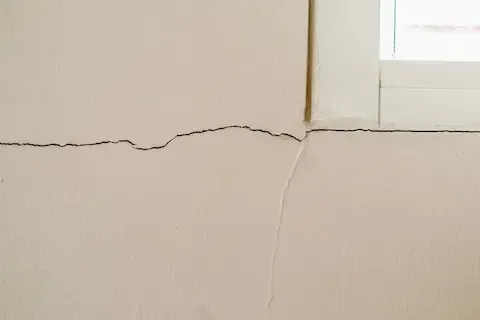
crack in concrete wall

Preventing Concrete Cracking in Camas: Pacific Northwest Weather Considerations

January 11, 202610 min read

Preventing Concrete Cracking in Camas: Pacific Northwest Weather Considerations

In Camas, the unique Pacific Northwest climate poses several challenges for concrete durability. With frequent rain and fluctuating temperatures, it’s vital to adopt specific strategies to prevent cracking. You need to take into account everything from the right concrete mix to proper installation techniques. Understanding these factors can make a significant difference in your project's longevity. What steps can you take to guarantee your concrete withstands the elements?

Key Takeaways

  • Schedule concrete pours during warmer months to ensure proper curing and reduce the risk of cracking from temperature fluctuations.

  • Monitor moisture levels and protect fresh concrete from rain to prevent surface scaling and internal voids.

  • Use air-entraining concrete and high-quality sealants to enhance freeze-thaw resistance in Camas's wet winters.

  • Install proper drainage solutions, like gutters and slopes, to direct water away and prevent pooling around concrete surfaces.

  • Conduct seasonal inspections to identify and address cracks or damage early, maintaining the integrity and appearance of concrete structures.

Understanding the Climate of Camas

Understanding the climate of Camas is essential for preventing concrete cracking, especially since the area's weather can be unpredictable. The unique blend of rain, sun, and temperature fluctuations can challenge your concrete surfaces.

To effectively prevent concrete cracking, you'll want to make certain proper drainage and choose the right materials for your projects. Regular concrete maintenance in Camas will help you stay ahead of potential issues.

It’s also wise to monitor the moisture levels and temperature changes throughout the seasons. By embracing these practices, you create a welcoming environment for your concrete to thrive, enhancing your home’s charm.

The Impact of Rain on Concrete

Rain plays a significant role in the longevity and integrity of your concrete surfaces in Camas. When it rains, the moisture can weaken concrete if it's not properly cured. If you pour concrete and don’t protect it from heavy rain, you risk compromising its strength. Water can wash away essential components, leading to surface scaling and cracks.

Additionally, excess water can create voids within the concrete, making it more susceptible to damage over time. To guarantee your concrete stands the test of time, it’s vital to plan your projects around the rainy season. By taking these precautions, you’ll create a solid foundation for your home or business, fostering a sense of pride in your community and the space you inhabit.

Temperature Fluctuations and Their Effects

Temperature fluctuations can seriously affect your concrete, especially during freeze-thaw cycles. When temperatures swing dramatically, it can lead to cracking if the concrete isn't properly prepared.

You need to take into account seasonal moisture effects to guarantee your concrete stands the test of time.

Freeze-Thaw Cycles Impact

As winter approaches, the freeze-thaw cycles can markedly impact concrete in Camas, leading to potential cracking if not properly managed. When temperatures drop, moisture within the concrete can freeze, expanding and creating pressure. As it thaws, this pressure releases, but the damage might already be done.

You mightn't notice small cracks initially, but over time, they can grow, compromising the integrity of your concrete surfaces. To protect your investment, consider using air-entrained concrete or applying sealants that reduce water absorption. Regular maintenance and inspections can help you catch issues early, fostering a sense of community among neighbors who value durable, well-maintained properties. By taking these steps, you can make certain your concrete withstands the harsh winter weather.

Temperature Extremes Considerations

The impact of freeze-thaw cycles isn’t the only concern for concrete in Camas. You also need to keep in mind how temperature extremes can affect your concrete’s durability. When temperatures soar, the concrete can expand, leading to cracks if it’s not allowed to move. Conversely, when temperatures drop, concrete contracts, which can create tension and potential fractures.

It’s vital to mix your concrete with the right additives that enhance flexibility and strength. Also, pouring during moderate temperatures can help minimize these risks. By paying attention to temperature fluctuations, you’re not just protecting your investment; you’re ensuring your concrete remains a source of pride in your home or project. After all, we all want our spaces to look their best for years to come.

Seasonal Moisture Effects

Moisture levels can really shake things up for your concrete throughout the seasons. In Camas, where rain and humidity fluctuate, your concrete can absorb excess moisture, leading to expansion. When temperatures drop, that moisture freezes, causing cracks as it expands.

You mightn't notice these issues right away, but over time, they can compromise your concrete's integrity.

To protect your investment, consider using sealants that prevent water penetration. Keeping an eye on the weather and planning your concrete work during drier months can make a difference.

Choosing the Right Concrete Mix

When it comes to choosing the right concrete mix, you need to take into account the local climate and how it affects your materials. Selecting the right aggregates and balancing the water-cement ratio are vital for durability.

Making these informed choices can greatly reduce the risk of cracking in your concrete projects.

Local Climate Adaptations

Choosing the right concrete mix plays a essential role in preventing cracking, especially in Camas’ unique climate. You’ll want to take into account local temperature fluctuations and moisture levels when selecting your mix. A blend with a lower water-cement ratio can enhance strength and reduce shrinkage, helping your concrete stay resilient through the rainy season.

Additionally, incorporating additives like air-entraining agents can improve freeze-thaw resistance, which is critical in our wet winters. By staying informed about these local climate factors, you’ll create a durable foundation that stands the test of time. It’s not just about pouring concrete; it’s about building a community that values quality and longevity in every project. Together, let’s make Camas a place where our structures thrive.

Aggregate Selection Importance

Selecting the right aggregates is key to achieving a strong and durable concrete mix that can withstand Camas' environmental challenges. You’ll want to take into account local materials, as they’re often better suited for the area’s unique climate.

When you choose the right size and type of aggregates, you enhance the mix's strength and reduce the risk of cracking. Opt for well-graded aggregates to make certain a good bond and minimize voids in the mix. This not only improves durability but also helps with overall workability.

Water-Cement Ratio Balance

Balancing the water-cement ratio is essential for achieving an ideal concrete mix that resists cracking. You want to aim for a ratio between 0.4 and 0.6, as this range provides the right amount of moisture for hydration without making the mix too weak or prone to shrinkage.

Too much water dilutes the strength; too little can lead to poor workability. When you choose your mix, consider the specific needs of your project and the climate in Camas. Remember, you’re part of a community that values strong, durable structures.

Proper Installation Techniques

To make certain your concrete doesn’t crack, mastering proper installation techniques is essential. Start by choosing the right materials; high-quality aggregates and cement mix can make all the difference. Make certain your subgrade is well-compacted and free of debris, as a solid foundation is key.

When pouring, keep an eye on the temperature and avoid working in extreme weather conditions. Use appropriate tools, like vibrators, to eliminate air pockets and guarantee a smooth finish. Don't forget to incorporate control joints; they guide where cracks might occur.

Finally, always work with a team you trust—collaboration brings out the best in everyone, and together you can create a durable, beautiful concrete surface that will stand the test of time.

The Role of Curing in Concrete Durability

While proper installation sets the foundation for concrete durability, curing is equally essential to guarantee the structure’s longevity. When you cure concrete, you allow it to retain moisture, which helps the hydration process. This means your concrete develops strength and resilience, making it less prone to cracking.

In the damp climate of Camas, it’s crucial to maintain peak curing conditions. You can achieve this by covering the surface with wet burlap, plastic sheeting, or curing compounds. Remember, a well-cured slab not only stands the test of time but also enhances overall aesthetics.

Sealing Concrete Surfaces

Sealing concrete surfaces is often an overlooked but essential step in preventing cracking and extending the life of your concrete. You’re part of a community that values quality and longevity, and sealing enhances not just your concrete but your entire property.

By applying a high-quality sealant, you protect against moisture, dirt, and chemicals that can weaken your concrete over time. This simple act also adds an appealing finish, uniting your outdoor spaces with a polished look.

Plus, it minimizes the risk of freeze-thaw damage—especially critical in our Pacific Northwest climate. When you seal your concrete, you're investing in a stronger, more beautiful home that you can be proud of, ensuring it stands the test of time for you and your neighbors.

Implementing Drainage Solutions

Proper drainage is essential for preventing concrete cracking, especially in areas prone to heavy rainfall like Camas. You’ll want to assess your property’s landscape and make sure water flows away from your concrete surfaces.

Installing gutters, downspouts, and drainage ditches can make a significant difference. Consider adding a French drain or a dry well to manage excess water effectively. These solutions help you avoid pooling and minimize pressure on your concrete.

Additionally, you might want to create slopes around sidewalks and driveways to direct water flow. By implementing these drainage strategies, you'll foster a strong sense of community pride in maintaining your property and protecting those shared spaces we all enjoy.

Together, we can keep Camas beautiful and crack-free!

Regular Maintenance and Inspections

Regular inspections are essential for keeping your concrete in top shape and preventing cracks.

By checking your surfaces seasonally, you can catch small issues before they turn into big problems.

Implementing routine maintenance practices will help extend the life of your concrete and maintain its appearance.

Seasonal Inspection Importance

Seasonal inspections are crucial for maintaining the integrity of your concrete surfaces in Camas. As the weather changes, your concrete faces unique challenges from rain, freeze-thaw cycles, and humidity. By regularly checking for cracks, chips, or discoloration, you can catch small issues before they become big problems.

You’re part of a community that values quality and safety, so it’s essential to stay proactive. Inspecting your concrete each season not only guarantees its longevity but also enhances the aesthetic appeal of your property. Plus, it gives you peace of mind knowing you’re taking care of your investment.

Routine Maintenance Practices

Consistently performing routine maintenance on your concrete surfaces can markedly extend their lifespan and prevent cracking. Start by inspecting for any visible damage, like small cracks or surface wear, and address these issues immediately.

Keep your concrete clean by sweeping away debris and using a pressure washer to remove stubborn stains. Sealing your concrete every few years adds an extra layer of protection against moisture and weather-related damage.

Don’t forget to check for proper drainage to avoid water pooling, which can lead to cracks. By committing to these simple practices, you’re not just protecting your investment; you’re also creating a welcoming space for friends and family.

Together, let’s keep our concrete looking great and lasting longer!

Planning for Seasonal Changes

As temperatures fluctuate throughout the year, it’s crucial to anticipate how these changes can affect your concrete. In Camas, the wet winters and dry summers can lead to expansion and contraction, increasing the risk of cracks.

To protect your investment, plan your concrete projects with the seasons in mind. For instance, pour concrete during the warmer months to allow for proper curing. You’ll also want to use a high-quality sealant before winter to keep moisture out, reducing freeze-thaw damage.

Regular inspections can help you spot early signs of cracking, so you can address them before they worsen. By being proactive and aware of seasonal changes, you’ll contribute to a strong, lasting community that values durable infrastructure.

By understanding Camas' unique climate and taking proactive steps, you can effectively prevent concrete cracking. Always consider the weather when planning your pours, choose the right mix, and guarantee proper installation techniques. Don’t forget to seal your surfaces and implement drainage solutions to protect against moisture. Regular maintenance and inspections will help you catch any issues early, so your concrete remains strong and durable through all seasonal changes. Stay ahead of the weather to keep your concrete in top shape!

Back to Blog