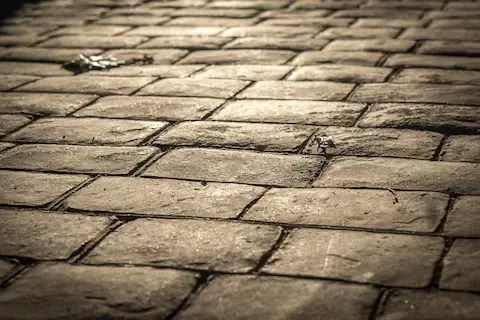
Fall Stamped Concrete Sealing for Camas Homes and Patios
Stamped concrete adds genuine character to patios, driveways, and walkways throughout Camas, but that decorative surface only stays sharp when the sealer protecting it is in good condition. Late summer and early fall create the best window all year to apply a fresh coat before Pacific Northwest rains arrive and lock out your opportunity until spring. If your stamped concrete was installed more than two years ago, or if you notice fading color and a dull surface, fall sealing deserves a spot on your home maintenance list before October.
Why the Fall Window Matters in Camas
Camas sits in the Columbia River Gorge transition zone where September temperatures are still reliably warm but the brutal summer heat has passed. Concrete sealers cure properly when surface and air temperatures stay between 50 and 90 degrees Fahrenheit, and when there is no rain forecast for at least 24 to 48 hours after application. That combination becomes increasingly rare as October arrives and the Willamette Valley weather pattern pushes marine moisture into Clark County. September is consistently your most reliable month to hit both conditions at once.
When sealer cures in ideal conditions it bonds fully to the concrete surface rather than trapping moisture beneath the film. A sealer applied too late in the season, when night temperatures are already dropping into the low 40s, may appear to dry but will not achieve the same penetration depth and adhesion strength. You end up with a surface that looks protected but allows freeze-thaw cycling to work moisture under the coating all winter.
What Happens to Unsealed Stamped Concrete in a PNW Winter
Stamped concrete depends on a combination of color hardener, release agent, and topical sealer to maintain its appearance. The texture pressed into the surface during installation creates valleys and ridges that collect standing water if the sealer is worn or missing. In Clark County, winter freeze events are not extreme, but the Cascade foothills area around Camas does see enough below-freezing nights between November and February to cause real damage to unprotected surfaces.
Water that collects in the texture pattern expands when it freezes. Over multiple cycles this causes surface spalling, micro-cracking, and eventual delamination of the color layer. The result is a stamped surface that looks blotchy, faded in uneven patches, and structurally weaker at the texture ridges. Repairing that kind of damage costs significantly more than a routine sealer application, and in some cases the original color match becomes impossible to replicate precisely.
UV damage compounds the problem. Even in the Pacific Northwest, summer UV exposure breaks down sealer film year over year. By the time fall arrives, a two-to-three-year-old sealer may have lost most of its protective capacity on south and west-facing surfaces that received direct afternoon sun through the summer.
Choosing the Right Sealer for PNW Conditions
Not every concrete sealer performs equally in Pacific Northwest conditions. Solvent-based acrylic sealers are the traditional choice for stamped decorative concrete and they perform well in this climate because they enhance color depth and create a visible wet-look finish that highlights the texture. They also tend to cure faster than water-based alternatives, which matters when you are working in a September window that could close with two days of notice.
Water-based sealers have improved significantly and are now a legitimate option for residential stamped surfaces. They produce less odor, are easier to clean up, and have lower VOC output. In practical terms for a Camas homeowner, the choice between solvent-based and water-based often comes down to the existing sealer type already on the concrete, since mixing chemistries can cause adhesion failure or haziness.
Penetrating sealers are a different category entirely. They protect by chemically bonding below the surface rather than forming a film on top. These work well on exposed aggregate or natural stone but are not the standard recommendation for stamped concrete where the goal is to protect color and enhance gloss. Understanding which product class is already on your patio matters before any resealing work begins.
Preparation Steps That Determine the Outcome
Surface preparation accounts for most of the difference between a sealer job that lasts three to four years and one that begins peeling within twelve months. Stamped concrete that has not been sealed recently typically needs pressure washing to remove organic growth, dirt compacted into the texture grooves, and any failed sealer residue. Allowing the surface to dry completely after washing is not optional. Any moisture trapped beneath a new sealer coat will cause whitening or bubbling within weeks.
If the existing sealer is in poor condition, a chemical stripper may be needed before washing. Applying fresh sealer over a failing coat rarely produces acceptable results. The new product cannot bond to concrete it cannot reach, and the underlying failure continues underneath the fresh layer.
Once the surface is clean, dry, and at the right temperature, sealer is applied in thin coats rather than one heavy application. A single thick coat is one of the most common mistakes in stamped concrete sealing. Thick coats trap air, take much longer to cure, and are prone to whitening when the next rain arrives before full cure is complete. Two thin coats applied with appropriate dry time between them outperform one heavy application in every measurable way.
Local Considerations Around Camas and Clark County
Homes near Lacamas Lake and along the higher-elevation neighborhoods toward Prune Hill often see earlier frost in the fall than lower elevations near the Columbia. If your property is at higher elevation, your September window is shorter and the urgency of scheduling sealing work before mid-October increases. Concrete in shaded areas near mature trees common in the older Camas neighborhoods also tends to hold moisture longer after rain, which affects both how soon you can seal after washing and how well the sealer performs long-term.
For homeowners who want to understand the full scope of options available beyond just maintenance sealing, learning about decorative concrete across Camas WA gives useful context on what was installed originally and what surface systems exist in the area.
If you are planning a new decorative surface installation rather than maintaining an existing one, Stamped Concrete options and pricing are worth exploring before the season closes.
Timing Your Sealing Work Realistically
Scheduling stamped concrete sealing in fall means working around the same calendar as every other exterior project homeowner in Clark County. Contractors who do quality surface preparation work get booked quickly once September arrives. Waiting until you see the first significant rain forecast often means the window has already passed. The practical approach is to assess your stamped concrete in late August, identify whether resealing is overdue, and schedule the work before Labor Day to guarantee availability and favorable cure conditions.
A well-sealed stamped concrete surface heading into winter is one of the more straightforward protective investments you can make in a PNW home. The cost is modest, the benefit is measurable, and the alternative is facing surface repairs that cost several times more in the spring.
