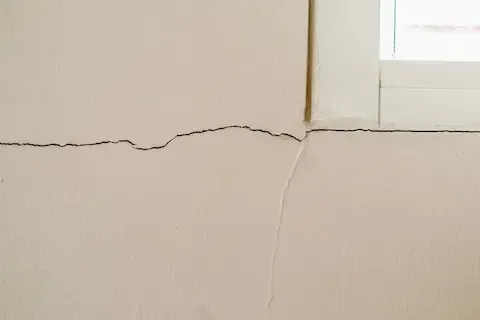
Why Concrete Fails Faster in Camas: Clay Soil Problems
Concrete fails faster in Camas primarily because of the expansive clay soil that underlies most of Clark County. This clay soil absorbs water during wet seasons and swells significantly, then shrinks during dry periods. The constant expansion and contraction cycle puts tremendous pressure on concrete slabs, foundations, and driveways, causing cracks and structural damage that wouldn't occur in areas with stable soil conditions.
What Makes Clay Soil So Destructive to Concrete?
Clay soil contains microscopic particles that act like tiny sponges, absorbing water and expanding dramatically. In Camas and surrounding Clark County areas, this clay layer often sits just 2-4 feet below the surface. When winter rains saturate the ground, the clay swells and pushes upward against concrete slabs with forces exceeding 10,000 pounds per square foot. During summer months, the clay shrinks and pulls away, leaving concrete unsupported and vulnerable to settling or cracking.
The problem becomes worse when homeowners don't understand their soil composition. Many contractors from outside the area don't recognize the signs of expansive clay and skip crucial preparation steps. Without proper excavation and base preparation, even high-quality concrete will fail within a few years of installation.
How Does Seasonal Movement Affect Different Types of Concrete?
Foundation slabs experience the most dramatic effects because they sit directly on the soil. During wet seasons, the expanding clay creates uneven pressure points that cause slabs to crack along stress lines. Garage floors and basement foundations are particularly vulnerable because they're typically thicker and less flexible than driveways.
Driveways and sidewalks face different challenges. The clay movement causes these surfaces to develop a washboard effect, with sections rising and falling as the soil moves. This creates trip hazards and allows water to pool in low spots, accelerating freeze-thaw damage during winter months.
Retaining walls built on clay soil often fail catastrophically. The expanding clay pushes against the back of the wall while simultaneously undermining the foundation. Professional foundation repair becomes necessary when homeowners notice walls leaning or developing horizontal cracks.
Why Do Some Camas Properties Have More Problems Than Others?
Property elevation plays a crucial role in clay soil problems. Homes built on hillsides in areas like Prune Hill or along the Columbia River bluffs often experience more severe movement because water flows downhill and concentrates in clay layers. Properties in flood-prone areas near Lacamas Lake also see accelerated concrete failure due to prolonged soil saturation.
Drainage patterns around individual properties make a significant difference. Homes with poor guttering systems or inadequate yard grading direct water toward foundations, keeping clay soil constantly moist and active. Properties with proper drainage and moisture management experience fewer concrete problems.
The age and type of original construction also matter. Older homes built before modern soil testing requirements often lack proper vapor barriers and base preparation. Newer developments that followed current building codes typically have better long-term concrete performance, though they're not immune to clay soil effects.
What Preparation Steps Prevent Clay Soil Damage?
Successful concrete installation on clay soil requires extensive excavation and base preparation. Professional contractors remove 18-24 inches of clay soil and replace it with properly compacted gravel. This creates a stable, non-expansive base that isolates the concrete from soil movement.
Proper moisture barriers are essential for basement slabs and foundations. A continuous vapor barrier prevents ground moisture from reaching the concrete while allowing the base materials to drain properly. Without this barrier, even the best base preparation will eventually fail as water infiltrates the system.
Reinforcement strategies vary depending on the application. Wire mesh or rebar helps distribute loads across larger areas, reducing the impact of localized soil movement. For critical applications like foundation work across Clark County, structural engineers may recommend post-tension cables or other advanced reinforcement methods.
How Can Property Owners Identify Clay Soil Issues?
Early warning signs of clay soil problems include hairline cracks appearing in basement floors or garage slabs, especially during spring months when soil moisture is highest. Doors and windows that stick seasonally often indicate foundation movement caused by expansive soil.
Exterior concrete shows different symptoms. Driveways develop uneven sections that seem to move up and down with the seasons. Sidewalks may separate from house foundations or develop step-cracks where sections have moved independently.
Property owners should also watch for drainage issues that might accelerate clay soil movement. Standing water near foundations, erosion patterns in landscaping, or gutters that overflow during heavy rains all contribute to clay soil activation and concrete problems.
When Should Homeowners Call Professionals?
Any crack wider than a quarter-inch requires professional evaluation, especially in basement or foundation areas. Cracks that appear suddenly after heavy rains or that continue growing over time indicate active soil movement that will worsen without intervention.
Uneven concrete surfaces that create trip hazards or drainage problems need immediate attention. Waiting allows water infiltration that accelerates clay soil expansion and makes repairs more expensive. Professional assessment can determine whether simple surface repairs will suffice or if complete replacement is necessary.
Property owners should also consult professionals before any major landscaping changes or additions. Installing pools, large gardens with irrigation systems, or other features that change soil moisture patterns can trigger clay movement and damage existing concrete structures.
Clay soil only causes problems when the base underneath your slab is not built to handle it. Learn what goes into proper base preparation over expansive clay before your next pour. Clay behind a retaining wall is the same problem under more pressure. Read how drainage keeps a retaining wall standing.
