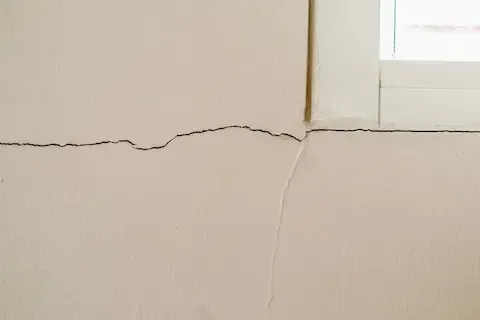
Foundation Concrete Installation in Camas Washington
Foundation concrete installation requires precise planning and execution, especially in Camas, Washington, where unique soil conditions and climate patterns demand specialized approaches. The Pacific Northwest's combination of clay-heavy soil, seasonal rainfall, and seismic considerations creates specific challenges that experienced contractors must address from the initial excavation through final curing.
Understanding Camas Foundation Requirements
Camas sits in a geological zone where marine clay deposits create challenging conditions for concrete foundations. These expansive soils shift significantly with moisture changes, requiring deeper footings and enhanced reinforcement compared to standard installations. Local building codes mandate minimum footing depths of 18 inches below the frost line, but experienced contractors often exceed these requirements based on soil analysis results.
The city's building department requires engineered foundation plans for most residential and all commercial projects. These plans must account for the area's seismic zone classification and local soil bearing capacity, which typically ranges from 2,000 to 4,000 pounds per square foot depending on location and soil composition.
Proper foundation design in Camas also considers the region's annual rainfall of approximately 50 inches, with most precipitation occurring between October and April. This seasonal moisture variation affects soil stability and requires comprehensive drainage planning integrated with the foundation system.
Pre-Installation Site Assessment and Preparation
Professional foundation installation begins with thorough site evaluation, including soil testing at multiple depths and locations. Camas contractors typically perform standard penetration tests to determine soil density and composition, identifying any problematic layers that could affect foundation stability.
Site preparation involves careful excavation to design depths while managing groundwater infiltration common in Clark County's low-lying areas. Proper dewatering systems prevent concrete contamination during placement and ensure adequate curing conditions. Excavation equipment must be sized appropriately to avoid over-excavation in the area's soft soils.
Utility location and protection represents a critical phase, as Camas neighborhoods often have complex underground infrastructure. Professional contractors coordinate with utility providers and use advanced locating equipment to prevent costly damage and project delays.
Foundation Types and Applications
Slab-on-grade foundations work well for many Camas residential projects, particularly when properly insulated and reinforced for the region's climate. These foundations require vapor barriers, rigid insulation, and appropriate reinforcement patterns to prevent cracking from soil movement and temperature cycling.
Full basement foundations provide additional living space but require extensive waterproofing and drainage systems due to Camas's high water table areas. Basement walls must be designed to resist hydrostatic pressure while accommodating potential soil movement through proper joint placement and reinforcement detailing.
Crawl space foundations offer a middle ground, providing access to utilities while avoiding full basement excavation costs. These systems require proper ventilation, moisture control, and insulation to prevent humidity problems common in Pacific Northwest applications.
For challenging sites, pier and beam foundations distribute loads through deeper, more stable soil layers. This approach works particularly well for sloped lots common throughout Camas neighborhoods, allowing construction while minimizing site disturbance.
Concrete Mix Design and Placement
Foundation concrete in Camas requires specific mix designs addressing local environmental conditions. Standard mixes include air entrainment for freeze-thaw resistance, appropriate water-cement ratios for workability and strength, and sometimes supplementary cementitious materials for enhanced durability.
Typical foundation concrete achieves 3,000 to 4,000 PSI compressive strength, with higher strengths specified for commercial projects or challenging soil conditions. Mix designs must balance workability for proper placement with durability requirements for long-term performance.
Placement techniques account for Camas's variable weather conditions, with cold weather concreting procedures required during winter months and hot weather precautions necessary during occasional summer heat waves. Proper consolidation ensures complete filling of forms and adequate bond with reinforcement.
Quality control measures include slump testing, air content verification, and cylinder sampling for strength confirmation. Professional contractors maintain detailed placement records documenting concrete source, batch information, and environmental conditions during installation.
Reinforcement and Structural Considerations
Steel reinforcement in Camas foundations must address both structural loads and environmental stresses. Rebar placement follows engineered drawings with proper cover dimensions to prevent corrosion while ensuring structural integrity. Lap splices and development lengths receive particular attention in areas prone to seismic activity.
Vapor barriers beneath slabs require careful installation and protection during concrete placement. Multiple-layer systems often provide superior moisture protection, with attention to seam sealing and penetration details that could compromise long-term performance.
Insulation placement varies by foundation type but generally includes rigid foam insulation on exterior surfaces of basement walls and beneath slabs. Proper installation prevents thermal bridging while maintaining structural integrity of the foundation system.
Waterproofing and Drainage Integration
Foundation waterproofing in Camas extends beyond basic dampproofing due to the area's significant rainfall and seasonal groundwater fluctuations. Complete waterproofing systems include multiple components working together to manage both liquid water and water vapor.
Exterior waterproofing typically includes liquid-applied membranes or sheet membranes covering foundation walls from footing to grade level. These systems require proper surface preparation, careful application, and protection during backfilling operations.
Drainage systems complement waterproofing by directing water away from foundation walls. French drains, foundation drainage tiles, and proper grading work together to manage both surface runoff and subsurface water movement. Our foundation repair services address drainage issues that can compromise foundation integrity over time.
Interior drainage components include sump pump systems where groundwater management requires mechanical assistance. These systems need proper sizing and backup power considerations for reliable operation during Pacific Northwest storm events.
Local Code Compliance and Permitting
Camas building codes incorporate state requirements while addressing specific local conditions. Foundation permits require detailed plans showing reinforcement schedules, waterproofing specifications, and drainage systems. Plan review typically takes two to three weeks, with possible revision cycles extending the timeline.
Inspection schedules include excavation approval before concrete placement, reinforcement inspection before concrete pour, and final inspection after form removal. Contractors must coordinate these inspections to prevent project delays while ensuring compliance with all applicable codes.
Clark County also requires soil compaction testing for backfill materials, ensuring proper support for foundation systems and preventing settlement issues. These tests must be performed by certified technicians using calibrated equipment.
Curing and Weather Protection
Pacific Northwest weather creates specific challenges for concrete curing, requiring protection systems adapted to local conditions. Cold weather protection becomes essential during winter months, while hot weather precautions prevent rapid moisture loss during occasional summer heat waves.
Curing compounds help retain moisture for proper hydration, while curing blankets provide thermal protection during temperature extremes. Professional contractors monitor concrete temperatures and adjust protection measures based on weather forecasts and actual conditions.
Form removal timing depends on concrete strength development, which varies with temperature and mix design. Standard practice requires minimum strength levels before removing structural forms, with longer curing periods during cold weather applications.
Quality Control and Long-Term Performance
Comprehensive quality control ensures foundation installations meet design specifications and performance expectations. Documentation includes material certifications, test reports, and photographic records of critical installation phases.
Post-installation monitoring identifies any early performance issues requiring attention. Professional contractors provide guidance on proper backfilling procedures, drainage maintenance, and signs requiring professional evaluation.
For homeowners considering complementary concrete work, our Camas driveway installation work demonstrates our commitment to quality concrete construction throughout your property. Coordinating foundation and driveway projects often provides scheduling and cost advantages while ensuring consistent quality standards.
Foundation concrete installation in Camas requires understanding local conditions, proper material selection, and meticulous attention to construction details. Professional installation ensures structural integrity while addressing the unique challenges presented by Clark County's soil and climate conditions.
