Understanding Freeze-Thaw Damage to Concrete in Southwest Washington
If you live in Southwest Washington, you know the winters can be wet and unpredictable. These conditions create a perfect storm for freeze-thaw damage in concrete structures. As temperatures hover around 32°F, moisture seeps into pavements and foundations, causing significant issues. Understanding how this cycle affects your concrete can save you time and money. But what exactly should you look out for, and how can you protect your investments?
Key Takeaways
Freeze-thaw cycles in Southwest Washington cause water in concrete to freeze and expand, leading to internal pressure and damage.
Common signs of freeze-thaw damage include surface scaling, cracks, spalling, discoloration, and efflorescence indicating moisture infiltration.
Preventative measures like using quality concrete, ensuring proper drainage, and applying waterproof sealants can mitigate damage risks.
Regular inspections and prompt repairs of small defects can help maintain structural integrity and prolong the life of concrete surfaces.
Employ effective curing techniques and use freeze-thaw-rated mixes for concrete repairs to enhance durability against future cycles.
The Science of Freeze-Thaw Cycles
Understanding freeze-thaw cycles is essential for anyone dealing with concrete in climates like Southwest Washington. These cycles occur when temperatures fluctuate around the freezing point, causing moisture in the concrete to freeze and expand, then thaw and contract. This repetitive process leads to freeze-thaw concrete damage, which can be particularly severe in areas like Camas.
You might notice concrete cracking in Camas as a direct consequence of these cycles. During winter, concrete is especially vulnerable, and neglecting proper care can result in costly repairs.
How Freeze-Thaw Damage Affects Concrete
Freeze-thaw damage markedly impacts concrete, especially in areas like Southwest Washington, where temperature fluctuations are common. When water seeps into the concrete and freezes, it expands, creating internal pressure. This pressure can lead to cracks and spalling, weakening the structure over time.
You might notice that sidewalks, driveways, and even foundations become more susceptible to damage, creating safety hazards and costly repairs. As a community, we all want to make certain our shared spaces remain safe and beautiful. Understanding how freeze-thaw cycles affect your concrete can help you take preventive measures, like proper sealing and drainage. By being proactive, you can protect not just your property, but also contribute to the well-being of your neighborhood.
Identifying Signs of Freeze-Thaw Damage
When you inspect concrete, watch for common visual indicators of freeze-thaw damage, like cracks and discoloration. These signs can hint at deeper structural integrity issues that may compromise the material.
Additionally, look for surface spalling symptoms, which can signal the need for immediate attention.
Common Visual Indicators
Often, you'll notice specific visual signs that indicate freeze-thaw damage to concrete surfaces. Look for surface scaling, which appears as flaking or peeling of the top layer. You might also see cracks that develop over time; these can be small or widen markedly.
Pay attention to spalling, where chunks of concrete break away, creating uneven surfaces. Discoloration, like dark patches or stains, can signal trapped moisture. Additionally, if you spot efflorescence—white, powdery deposits on the surface—it’s a sign that water has infiltrated the concrete.
Recognizing these indicators early helps you address the issue and protect your concrete, ensuring your space remains inviting and safe for everyone in your community.
Structural Integrity Issues
While freeze-thaw cycles can lead to visible damage, they can also compromise the structural integrity of your concrete. You might notice cracks that deepen over time or bulges indicating internal pressure.
If you see misalignment in slabs or walls, that’s a sign your concrete’s stability is at risk. Pay attention to any unusual settling, as it could mean the foundations are weakening.
Don't ignore these signs; they can lead to more significant issues down the line. Addressing problems early not only preserves your concrete but also keeps your home safe and sound.
You want a solid foundation for your space, so stay vigilant and take action if you suspect freeze-thaw damage. Your home deserves it!
Surface Spalling Symptoms
Surface spalling can sneak up on you, revealing itself as flaking or peeling on the concrete's surface. You might notice small chips or larger areas where the concrete seems to wear away.
These symptoms often appear after repeated freeze-thaw cycles, especially in our wet Southwest Washington climate. Pay close attention to areas exposed to moisture, as they’re more susceptible.
You may also see discoloration or a rough texture, indicating underlying issues. If you spot these signs, don’t ignore them!
Addressing surface spalling early can prevent more extensive damage and keep your concrete looking great. Remember, you’re not alone in this; many face similar challenges, and together, we can find solutions to protect our shared spaces.
Preventative Measures for Concrete Structures
To effectively protect concrete structures from freeze-thaw damage, you should regularly implement preventative measures tailored to your environment. Start by choosing high-quality concrete with air-entraining agents, which help create tiny air pockets that allow for expansion during freezing.
Make certain proper drainage around your structures to prevent water accumulation and minimize freeze-thaw cycles. It’s also vital to seal the surface with a good-quality waterproof sealant to keep moisture out.
Regular inspections are key; look for cracks or signs of wear and address them promptly. Finally, consider insulating your concrete in particularly harsh weather. By taking these proactive steps, you’ll not only extend the life of your concrete but also contribute to the community’s overall safety and durability.
Repairing Freeze-Thaw Damage in Concrete
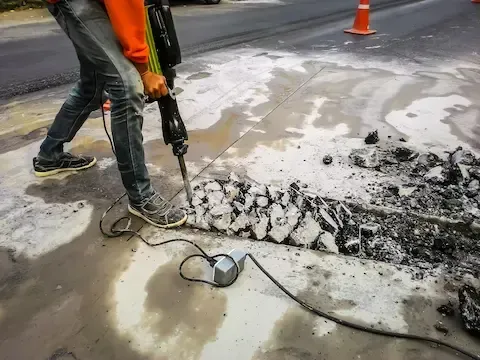
When freeze-thaw damage occurs in concrete, addressing the issue quickly can save you time and money in the long run.
Start by identifying the affected areas—look for cracks, spalling, or flaking.
Once you've pinpointed the damage, clean the surface thoroughly to remove any debris or loose material.
For small cracks, you can use a concrete repair caulk or epoxy to fill them in.
For larger areas, consider resurfacing the entire slab with a high-quality concrete mix designed for freeze-thaw conditions.
Don’t forget to apply a sealant afterward to protect your repair from future damage.
Best Practices for Long-Lasting Concrete in Southwest Washington
To guarantee your concrete stands the test of time in Southwest Washington, focus on proper mix design and effective curing techniques. Choosing the right materials and proportions can markedly enhance durability.
Plus, implementing strong curing practices helps prevent freeze-thaw damage, keeping your concrete solid and reliable.
Proper Mix Design
Creating a durable concrete mix is essential for withstanding the freeze-thaw cycles common in Southwest Washington. To achieve this, you'll want to focus on a balanced ratio of water, cement, and aggregates.
Using a lower water-cement ratio helps reduce porosity, making your concrete less susceptible to water ingress. Incorporating air-entraining agents can also improve freeze-thaw resilience by creating tiny air pockets that absorb expansion during freezing.
Opt for well-graded aggregates to enhance workability and strength. Finally, consider using supplementary cementitious materials like fly ash or slag to boost durability.
Effective Curing Techniques
Curing concrete effectively is vital for ensuring its longevity, especially in the variable climate of Southwest Washington. To achieve peak results, you’ll want to begin the curing process as soon as the concrete sets.
Keeping the surface moist is essential; consider using wet burlap, plastic sheeting, or curing compounds. Aim for a consistent temperature, avoiding extreme heat or cold—this helps prevent cracking and freeze-thaw damage.
You’ll also benefit from maintaining humidity levels, as dry conditions can lead to rapid evaporation. Remember, patience is key; allowing the concrete sufficient time to cure will pay off in durability.
Understanding freeze-thaw damage is essential for protecting your concrete structures in Southwest Washington. By staying vigilant for signs of damage and taking preventive measures, you can extend the life of your pavements and foundations. Regular inspections and timely repairs not only enhance safety but also save you from costly restorations down the line. With the right approach and best practices, you can make certain your concrete withstands the challenges of our local climate.