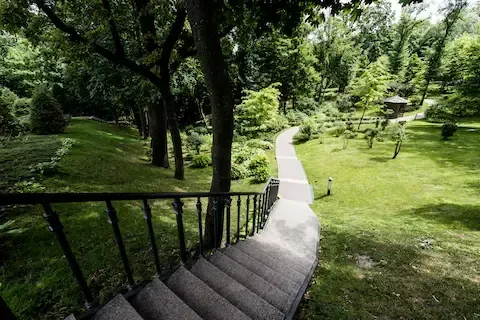
Concrete Walkway Construction in Camas Washington Yards
Creating a concrete walkway transforms your Camas property from ordinary to exceptional. Whether you're connecting your front entrance to the street, linking garden areas, or providing safe passage around your home, a well-constructed concrete walkway delivers decades of reliable service while enhancing your property's curb appeal and value.
Essential Elements of Concrete Walkway Design
Successful walkway construction begins with understanding your specific needs and site conditions. The width of your walkway should accommodate its intended use - a front entrance path typically measures 4-5 feet wide to allow comfortable two-way traffic, while side yard utility paths can function well at 3 feet wide. Length and curve considerations depend on your landscape layout and desired aesthetic appeal.
Thickness requirements vary based on expected traffic and soil conditions. Standard residential walkways require 4-inch thickness for pedestrian use, though areas that might see occasional vehicle crossings benefit from 6-inch thickness. The concrete mix design should include proper air entrainment for freeze-thaw protection, essential for our Pacific Northwest climate.
Slope and drainage planning prevents water accumulation and ice formation during winter months. Walkways should slope away from structures at a minimum 1/4 inch per foot, with cross-slopes directing water toward planted areas or drainage systems. Proper grading ensures your walkway remains safe and functional year-round.
Site Preparation and Excavation Requirements
Professional excavation establishes the foundation for walkway longevity. The excavation depth must accommodate the concrete thickness plus 4-6 inches of compacted gravel base. This base layer provides drainage and prevents settling that could crack your finished walkway.
Soil conditions in Camas and Clark County vary significantly, from well-draining gravelly soils to clay-heavy areas that retain moisture. Clay soils require special attention to prevent frost heave, often needing deeper excavation and enhanced drainage measures. Rocky soils may need mechanical removal of large stones to create a uniform base.
Utility location becomes critical during excavation planning. Contact 811 before any digging to mark underground utilities. Water lines, electrical conduits, and irrigation systems commonly run beneath potential walkway locations. Professional contractors know to verify utility depths and adjust excavation accordingly.
Proper compaction of the base material ensures uniform support across the entire walkway. Mechanical compactors achieve the density necessary to prevent settling, while hand tamping suffices only for very small areas. Base material should consist of crushed rock or gravel, never organic materials that decompose and create voids.
Forming and Reinforcement Installation
Professional forming creates clean, straight edges that define your walkway's final appearance. Forms must be level, properly staked, and aligned to achieve the desired slopes for drainage. Curved walkways require flexible forming materials or multiple straight sections to approximate curves smoothly.
Reinforcement prevents cracking and extends walkway life significantly. Wire mesh reinforcement works well for standard residential walkways, while rebar becomes necessary for areas with challenging soil conditions or heavy use expectations. Reinforcement must be positioned in the lower third of the concrete thickness for maximum effectiveness.
Expansion joints accommodate concrete movement during temperature changes. Place joints every 4-6 feet along walkway length, with additional joints at direction changes or connections to existing structures. Control joints tooled into the surface provide predetermined crack locations, keeping random cracking to a minimum.
Concrete Mixing and Placement Considerations
Pacific Northwest weather conditions require specific concrete mix adjustments. Air-entrained concrete resists freeze-thaw damage common during our winter months. The air content should reach 5-8 percent for exterior walkway applications, achieved through proper admixture use during mixing.
Slump consistency affects workability and final surface quality. A 4-6 inch slump provides adequate workability while maintaining strength characteristics. Higher slumps may seem easier to work with but can lead to segregation and surface problems. Water-cement ratio control remains critical for achieving specified strength and durability.
Placement timing considerations include weather forecasts and temperature projections. Avoid pouring when temperatures drop below 40 degrees Fahrenheit or when rain threatens within 6 hours of placement. Hot weather requires special precautions to prevent rapid moisture loss during curing.
Proper consolidation eliminates voids and ensures complete contact between concrete and reinforcement. Vibration or rodding removes air pockets, while over-working brings excess water to the surface and weakens the final product. Professional contractors balance these competing concerns through experience and proper technique.
Finishing Techniques and Surface Options
Surface finishing affects both appearance and functionality of your finished walkway. Broom finishing provides excellent slip resistance for pedestrian traffic while maintaining an attractive, uniform appearance. The timing of broom texturing affects the final texture depth - too early creates deep grooves that collect debris, while too late fails to achieve adequate texture.
Stamped concrete options create decorative surfaces that complement your landscape design. Popular patterns include slate, flagstone, and brick textures that provide visual interest while maintaining concrete's durability advantages. Stamped concrete work in Camas requires specialized tools and techniques to achieve professional results.
Color integration can be achieved through integral color admixtures or surface-applied color hardeners. Integral color provides uniform color throughout the concrete thickness, while surface applications offer more intense color options but may show wear in high-traffic areas. Color choices should complement your home's exterior and existing landscape elements.
Exposed aggregate finishes reveal decorative stones within the concrete mix, creating textured surfaces with natural appeal. This technique requires careful timing to achieve proper stone exposure without weakening the surface matrix. Various aggregate types and sizes create different visual effects while maintaining slip-resistant characteristics.
Curing and Protection Methods
Proper curing develops concrete strength and durability through controlled moisture retention during early hardening. Concrete continues gaining strength for weeks after placement, but the first seven days prove most critical for achieving design strength. Inadequate curing reduces final strength by 20-30 percent or more.
Curing compound applications provide moisture retention when continuous water curing isn't practical. These compounds form temporary membranes that slow moisture loss while concrete develops strength. Removal becomes necessary before applying any surface treatments or sealers to ensure proper adhesion.
Protection from extreme temperatures prevents damage during vulnerable early periods. Hot weather protection includes shading and mist spraying to prevent rapid moisture loss. Cold weather protection may require insulating blankets or temporary enclosures when temperatures approach freezing during the first few days after placement.
Traffic restrictions protect your investment during strength development. Light foot traffic may be acceptable after 24-48 hours under normal conditions, but full strength develops over several weeks. Professional walkway construction includes clear timelines for safe usage based on specific conditions and concrete mix designs.
Local Climate and Soil Considerations
Camas area soil conditions present unique challenges for concrete walkway construction. The transition zone between river deposits and hillside soils creates varying conditions even within individual properties. Some areas feature well-draining sandy soils ideal for concrete work, while others contain expansive clays that require special attention to prevent movement.
Seasonal moisture variations affect soil stability and concrete performance. Winter rain saturation followed by summer drying can cause significant soil movement in clay areas. Proper drainage design and adequate base preparation mitigate these effects, ensuring walkway stability through seasonal cycles.
Frost depth considerations become important for areas with extended cold exposure. While Camas rarely experiences deep ground freezing, north-facing slopes and shaded areas may need additional base depth or insulation to prevent frost damage. Local building codes provide minimum requirements based on regional climate data.
Root intrusion from existing landscaping can damage concrete walkways over time. Large trees near proposed walkway locations require evaluation for potential root conflicts. Professional design considers mature tree size and root spread patterns to avoid future problems while preserving valuable landscape elements.
Professional Installation Advantages
Professional concrete contractors bring specialized equipment essential for quality walkway construction. Proper mixing equipment ensures consistent concrete quality, while mechanical finishing tools achieve uniform surface textures. Small-batch mixing often lacks the precision and consistency possible with professional equipment.
Experience with local conditions guides design decisions that prevent common problems. Professional contractors understand Clark County soil variations, typical drainage patterns, and effective solutions for challenging sites. This knowledge prevents costly mistakes and ensures long-term walkway performance.
Permit requirements and inspection processes vary by location and walkway scope. Professional contractors handle permit applications, understand code requirements, and coordinate inspections as needed. This expertise ensures compliance with local regulations while avoiding delays or rework.
Warranty protection provides peace of mind for your investment. Reputable contractors stand behind their work with warranties covering materials and workmanship defects. DIY installations lack this protection, leaving property owners responsible for any problems that develop.
Quality concrete walkway construction enhances your Camas property's functionality, safety, and value for decades. Professional installation ensures proper technique application, appropriate material selection, and compliance with local requirements. The investment in professional construction pays dividends through superior performance, reduced maintenance needs, and lasting aesthetic appeal that complements your Pacific Northwest landscape.
