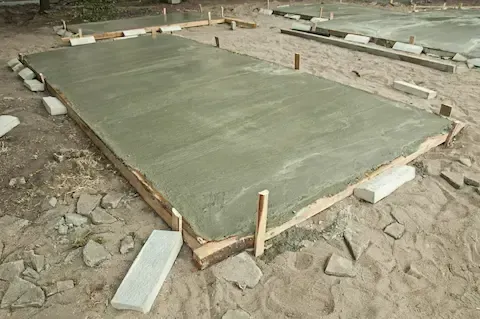
Concrete Slab Construction in Camas Washington Homes
Concrete slab construction forms the foundation of countless residential projects throughout Camas, Washington, from garage floors and basement foundations to outdoor patios and workshop spaces. The unique climate conditions in Clark County, with its wet winters and dry summers, demand specific construction techniques and materials that ensure long-lasting, durable concrete installations. Professional slab construction involves careful site preparation, proper reinforcement placement, precise concrete mixing, and expert finishing techniques that create level, crack-resistant surfaces capable of supporting significant loads for decades.
Foundation and Structural Slab Requirements
Foundation slabs in Camas homes must meet stringent building codes designed for Pacific Northwest soil conditions and seismic requirements. These structural elements typically require 4-inch minimum thickness for residential applications, though load-bearing requirements often necessitate 6-inch slabs with steel reinforcement. The concrete mix design must achieve minimum 3,000 PSI compressive strength, with air entrainment additives essential for freeze-thaw protection during Clark County's winter months.
Proper vapor barrier installation beneath foundation slabs prevents moisture migration from the soil, which is particularly important in Camas due to the area's high water table in certain neighborhoods. Polyethylene sheeting, typically 6-mil thickness, creates an effective moisture barrier when properly sealed at joints and penetrations. Insulation placement around slab perimeters reduces thermal bridging and improves energy efficiency, especially important for basement and heated garage applications.
Reinforcement steel placement follows specific spacing requirements, with #4 rebar typically placed on 18-inch centers for residential slabs. Wire mesh reinforcement may supplement rebar in certain applications, though welded wire fabric has largely been replaced by synthetic fiber reinforcement in modern construction. Control joint placement every 10 feet prevents random cracking by creating predetermined weak points where concrete can shrink without damage.
Site Preparation and Excavation Considerations
Proper excavation depth accounts for the slab thickness plus a compacted gravel base, typically 4 inches of crushed rock for residential applications. Camas soil conditions vary significantly across neighborhoods, with some areas featuring dense clay that requires special drainage considerations, while others have sandy soils that drain naturally but may require different compaction techniques.
Utility rough-in installation occurs during the excavation phase, with electrical conduits, plumbing lines, and HVAC ductwork positioned according to building plans. Proper sleeve installation at utility penetrations prevents concrete bonding to pipes and conduits, allowing for thermal movement without cracking. Temporary utility protection during concrete placement prevents damage from equipment traffic and concrete weight.
Grade establishment using laser levels or transit equipment ensures proper drainage away from structures, typically maintaining a minimum 1/4-inch per foot slope. Formwork installation creates straight, level edges that define the slab perimeter and establish final grade elevations. Professional concrete slab contractors use steel or aluminum forms that resist deflection under concrete pressure and provide clean, straight edges.
Concrete Mix Design and Placement
Mix designs for Clark County construction account for local aggregate availability and climate requirements. Portland cement Type I is standard for most residential applications, though Type II may be specified for projects requiring sulfate resistance. Local aggregate sources provide crushed rock and sand that meets ASTM specifications, with aggregate gradation designed to minimize segregation during placement.
Water-cement ratio control ensures proper strength development while maintaining workability during placement. Typical ratios range from 0.45 to 0.55 for residential slab work, with lower ratios producing higher strength but requiring plasticizers to maintain workability. Admixtures may include air-entraining agents for freeze-thaw protection, plasticizers for improved workability, and set-retarding agents during hot weather placement.
Concrete placement techniques prevent segregation and ensure uniform density throughout the slab. Discharge directly onto the prepared subgrade minimizes handling, while screed boards establish proper thickness and surface elevation. Power screeds provide more consistent results than hand screeding on larger slabs, especially important for garage and shop floors where surface flatness affects equipment operation.
Finishing Techniques and Surface Preparation
Initial floating removes surface imperfections and brings cream to the surface for subsequent finishing operations. Bull float use on fresh concrete eliminates high and low spots while closing surface tears. Timing of floating operations depends on concrete set characteristics, which vary with temperature, humidity, and mix design properties.
Steel troweling creates dense, smooth surfaces suitable for garage floors, workshops, and other areas requiring easy cleaning and maintenance. Multiple troweling passes progressively increase surface density and smoothness, with the final pass producing a hard, wear-resistant finish. Machine troweling on larger slabs provides more consistent results than hand troweling while reducing labor requirements.
Broom finishing creates textured surfaces that provide slip resistance for exterior applications like patios and walkways. Different broom types produce varying texture patterns, from fine textures using soft bristles to coarser patterns using stiff brooms. Timing of broom finishing affects texture depth, with earlier application producing finer textures suitable for foot traffic areas.
Climate-Specific Curing Requirements
Pacific Northwest curing conditions require specific moisture and temperature control measures to achieve design strength. Plastic sheeting or curing compounds retain surface moisture during initial hydration, particularly important during Camas's dry summer months when rapid surface drying can cause surface defects and reduced strength development.
Cold weather protection becomes essential during winter construction, with insulated blankets or heated enclosures maintaining concrete temperatures above 40 degrees Fahrenheit during critical early curing periods. Accelerated strength gain additives may be specified for winter pours to achieve required strength for form removal or load application within acceptable timeframes.
Hot weather precautions during summer construction include concrete temperature control at delivery, shading of work areas, and misting of surfaces to prevent rapid moisture loss. Ice replacement of mixing water and chilled aggregate help control concrete temperature at placement, while evaporation retardants slow surface moisture loss during finishing operations.
Quality Control and Inspection Protocols
Comprehensive testing programs ensure concrete quality meets specification requirements and building code standards. Slump tests verify proper consistency at delivery, while compression test cylinders confirm strength development over time. Air content testing on air-entrained concrete ensures adequate freeze-thaw protection for Clark County climate conditions.
Thickness verification using probes or core samples confirms adequate depth throughout the slab area. Reinforcement placement inspection ensures proper positioning and adequate concrete cover to prevent corrosion. Level surveys verify final surface elevations match design requirements and provide proper drainage gradients.
For homeowners concerned about existing concrete issues, understanding Camas concrete repair work helps identify potential problems early and maintain slab integrity over time. Regular maintenance and prompt repair of minor defects prevent costly replacement projects and extend service life significantly.
Common Installation Challenges and Solutions
Poor subgrade preparation ranks among the most common causes of slab failure, with inadequate compaction leading to settlement and cracking. Proper moisture content control during compaction ensures maximum density, while proof-rolling identifies soft spots requiring additional work before concrete placement.
Inadequate concrete consolidation creates honeycombing and reduces strength, particularly problematic around reinforcement and form edges. Vibration equipment selection depends on slab thickness and reinforcement density, with internal vibrators most effective for thick slabs and surface vibrators suitable for thinner installations.
Premature loading of fresh concrete causes surface damage and potential structural problems. Minimum curing periods before foot traffic range from 24 to 48 hours depending on concrete strength gain, while vehicle traffic typically requires 7 days minimum curing time. Construction scheduling must account for these restrictions to prevent costly repairs.
Long-Term Performance and Maintenance
Proper joint sealing prevents water infiltration and freeze damage during Clark County winters. Flexible sealants accommodate thermal movement while maintaining weatherproof barriers. Regular inspection and resealing every 3-5 years maintains protection and prevents premature deterioration.
Surface treatments may be applied to enhance durability and appearance, with penetrating sealers providing protection without changing surface appearance. Topical sealers create film-forming barriers that enhance stain resistance but require periodic renewal. Treatment selection depends on intended use, appearance requirements, and maintenance expectations.
Crack monitoring and repair prevent minor issues from developing into major structural problems. Settlement cracks may indicate subgrade problems requiring professional evaluation, while shrinkage cracks typically remain stable if properly sealed. Professional assessment helps determine appropriate repair methods and prevents unnecessary concerns about normal concrete behavior.
