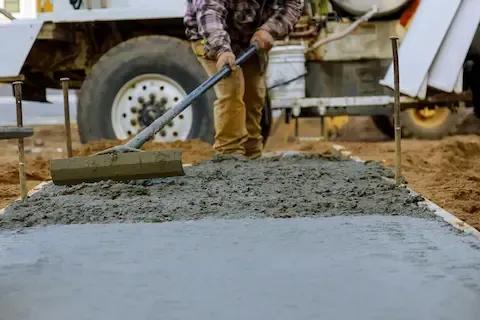
Concrete Repair Specialists in Camas Washington Areas
Concrete damage doesn't wait for convenient timing. Whether you're dealing with cracked driveways, spalled walkways, or settling foundation slabs, addressing concrete problems quickly prevents minor issues from becoming major structural concerns. Professional concrete repair in Camas, Washington requires understanding local soil conditions, climate factors, and proper repair techniques that ensure lasting results.
Understanding Concrete Damage in Pacific Northwest Conditions
Camas sits in a unique geological zone where volcanic soil meets Columbia River sediment, creating specific challenges for concrete structures. The area's wet winters and dry summers cause concrete to expand and contract repeatedly, leading to hairline cracks that gradually widen over time. Freeze-thaw cycles, while less severe than in mountain regions, still impact concrete integrity when water penetrates existing cracks.
Common damage patterns include surface scaling from deicing salts, spalling around edges where water collects, and settlement cracks from shifting soils. The region's clay-rich soil expands when wet and shrinks during summer months, creating uneven support beneath concrete slabs. These conditions make professional Concrete Repair essential for maintaining property value and safety.
Identifying damage early saves significant costs. Surface discoloration often indicates water infiltration, while small cracks suggest underlying movement. Uneven surfaces or areas that sound hollow when tapped require immediate evaluation to prevent further deterioration.
Types of Concrete Repair Services Available
Structural crack repair addresses foundational issues that compromise load-bearing capacity. This involves cleaning out loose material, applying bonding agents, and filling cracks with appropriate repair compounds matched to existing concrete strength. For wider cracks, steel reinforcement may be necessary to prevent future separation.
Surface restoration tackles cosmetic and functional issues without full replacement. Resurfacing applies new concrete layers over existing surfaces, while patching repairs localized damage spots. Both approaches require proper surface preparation and curing procedures to ensure adequate bonding.
Spall repair focuses on areas where concrete has chipped or flaked away, exposing aggregate or reinforcement. These repairs require removing all loose material, treating any exposed rebar for corrosion, and rebuilding the surface with compatible materials. Proper edge preparation ensures seamless integration with surrounding concrete.
Joint sealing prevents water infiltration through control joints and expansion gaps. Using appropriate sealants for local climate conditions maintains concrete integrity while allowing for natural movement. Regular joint maintenance extends overall concrete life significantly.
Local Soil and Weather Considerations
Clark County's diverse soil composition affects concrete performance across different neighborhoods. Areas closer to the Columbia River feature sandy soils that drain well but may settle over time. Inland regions contain more clay content, which provides stable support when properly compacted but can shift during seasonal moisture changes.
The region's rainfall pattern concentrates moisture during winter months, creating conditions where water penetrates concrete through small cracks and causes freeze damage. Even minimal freezing can expand these cracks significantly. Summer heat then causes rapid drying, leading to additional stress on repaired areas.
Successful repairs account for these conditions by using materials specifically formulated for Pacific Northwest climates. This includes polymer-modified compounds that maintain flexibility through temperature changes and rapid-setting materials that cure properly despite high humidity levels.
Understanding local drainage patterns helps identify why damage occurred initially. Poor grading, inadequate soil preparation, or insufficient drainage can cause repair failures if not addressed during the restoration process. Professional assessment considers these factors when developing repair strategies.
Repair Methods and Material Selection
Epoxy injection repairs work well for fine cracks in structural concrete. The low-viscosity material penetrates completely through crack depth, creating strong bonds that restore structural integrity. However, epoxy repairs perform poorly where continued movement is expected, making proper diagnosis crucial.
Polymer-modified mortars provide flexibility needed for areas subject to thermal movement or minor settling. These materials bond well to existing concrete while accommodating slight movement without cracking. They're ideal for residential applications where some movement is inevitable.
Self-leveling compounds address uneven surfaces and minor depressions. These materials flow to create smooth surfaces while maintaining strength characteristics similar to original concrete. Proper surface preparation and priming ensure adequate adhesion to existing substrates.
For larger repairs, matching new concrete to existing material requires careful attention to aggregate size, color, and finish texture. Using local aggregate sources helps achieve better visual integration while ensuring compatibility with regional soil conditions.
Common Repair Mistakes and Prevention
Insufficient surface preparation causes most repair failures. Loose material, oil stains, or inadequate cleaning prevents proper bonding between new and existing concrete. Professional preparation includes mechanical cleaning, degreasing, and sometimes acid etching to create optimal bonding surfaces.
Using inappropriate materials for local conditions leads to early failure. Generic concrete mixes may not perform well in Camas's climate conditions. Professional repairs use materials specifically designed for regional weather patterns and soil types.
Inadequate curing compromises repair strength and durability. Pacific Northwest humidity can actually benefit curing processes, but proper moisture control and temperature management during initial setting periods remain critical for achieving design strength.
Ignoring underlying causes ensures repair failure. If drainage issues, soil settlement, or structural movement caused original damage, repairs will fail unless these root causes are addressed. Comprehensive evaluation identifies and resolves these contributing factors.
Poor timing can compromise repair quality. Working during extreme weather conditions or when concrete temperatures are inappropriate affects material performance. Professional contractors schedule work during optimal conditions and use appropriate materials for existing weather patterns.
Preparation and Planning Requirements
Successful concrete repair begins with thorough damage assessment. This includes determining crack depth and extent, evaluating structural integrity, and identifying underlying causes. Professional evaluation may involve core sampling or ground-penetrating radar to assess conditions beneath visible surfaces.
Site preparation involves protecting surrounding areas, ensuring adequate access for equipment, and arranging proper disposal of removed materials. Many repairs require permits, particularly for structural work or when repairs affect property drainage patterns.
Material planning considers delivery timing, storage requirements, and weather forecasts. Some repair materials have limited working time once mixed, requiring careful coordination between preparation work and material application. Having backup plans for weather delays prevents project disruptions.
Understanding retaining walls we build in Camas helps property owners recognize when concrete repair might be part of larger drainage or stability improvements needed around their property.
Professional vs. DIY Repair Considerations
Structural repairs require professional expertise to ensure safety and code compliance. Issues involving foundation cracks, load-bearing elements, or extensive damage need engineering evaluation and certified repair methods. Improper structural repairs can compromise building integrity and create liability issues.
Professional contractors bring specialized equipment for surface preparation, material mixing, and application. They also understand local building codes, permit requirements, and proper inspection procedures. This knowledge ensures repairs meet all regulatory requirements and perform as intended.
However, minor surface repairs like small crack filling or cosmetic patching may be suitable for experienced DIY work. These projects require proper materials, tools, and techniques but don't involve structural concerns. Understanding personal skill levels and project complexity helps determine appropriate approaches.
Cost considerations include not just immediate expenses but long-term performance. Professional repairs typically last longer and include warranties, while DIY failures may require complete replacement sooner than expected. Evaluating total lifecycle costs provides better decision-making information.
Maintenance and Long-Term Care
Regular inspection identifies problems before they become serious. Annual checks should focus on joint condition, crack development, and surface wear patterns. Early intervention prevents minor issues from requiring major repairs.
Proper drainage maintenance protects concrete from water damage. Keeping gutters clean, maintaining proper grading, and ensuring adequate site drainage reduces moisture exposure that causes most concrete problems. These preventive measures extend repair life significantly.
Seasonal maintenance includes cleaning surfaces, removing debris from joints, and applying protective sealers when appropriate. Winter preparations may include using concrete-safe deicing products and avoiding harsh chemicals that can damage repair materials.
Professional maintenance programs provide scheduled inspections and preventive treatments. These services identify developing problems early and maintain repairs through proper care procedures. Regular professional attention often prevents costly emergency repairs and extends overall concrete life.
