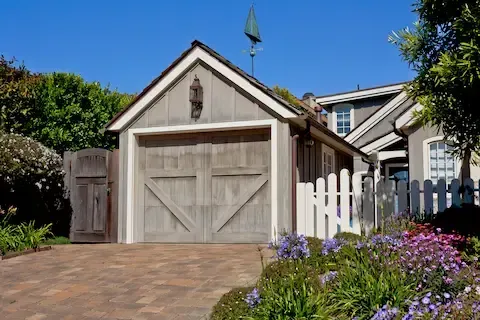
Concrete Driveway Installation in Camas Washington
Installing a concrete driveway represents one of the most significant improvements you can make to your Camas property. A properly installed concrete driveway not only enhances your home's curb appeal but also provides decades of reliable service when constructed with the right materials and techniques. In Camas, Washington's unique climate conditions, proper installation becomes even more critical to ensure your investment stands the test of time against our wet winters and occasional freeze-thaw cycles.
Foundation and Base Preparation Requirements
The foundation of any successful concrete driveway begins with proper excavation and base preparation. In Camas's clay-heavy soils, this step becomes particularly crucial. You'll need to excavate to a depth of at least 8 inches below the finished grade, removing all organic material, roots, and unstable soil. The excavated area must extend 6 inches beyond the planned driveway edges to accommodate proper formwork and compaction.
After excavation, install a gravel base using crushed rock or gravel between 3/4 inch and 1.5 inches in size. This base should be 4 to 6 inches thick and compacted in lifts of no more than 3 inches at a time. Proper compaction requires multiple passes with a plate compactor, achieving at least 95% maximum density. The base must slope away from your home at a minimum grade of 1/4 inch per foot to ensure proper drainage.
In areas of Camas where drainage is particularly challenging, such as properties near the Lacamas Lake area, consider installing perimeter drains alongside your driveway base. These drains help channel water away from the concrete, preventing undermining and frost damage during winter months.
Concrete Mix Design and Specifications
The concrete mix design directly impacts your driveway's longevity and performance. For residential driveways in Camas, specify a minimum 4,000 PSI concrete mix with air entrainment between 5% and 8%. Air entrainment is essential in our climate as it creates microscopic air bubbles that allow the concrete to expand and contract during freeze-thaw cycles without cracking.
Your concrete should contain a maximum water-cement ratio of 0.45 to ensure adequate strength and durability. Specify a minimum cement content of 564 pounds per cubic yard, using either Type I or Type II Portland cement. For enhanced workability in Camas's cooler temperatures, consider adding a mid-range water reducer to the mix.
Fiber reinforcement should be added to the mix at a rate of 1.5 pounds per cubic yard. Synthetic fibers help control plastic shrinkage cracking and improve the concrete's overall toughness. For driveways subject to heavy vehicle loads or located on steep slopes common in Camas's hillside neighborhoods, consider increasing the fiber content to 2 pounds per cubic yard.
Reinforcement and Joint Planning
Proper reinforcement prevents random cracking and extends your driveway's service life. Install welded wire mesh or rebar grid in the center of the concrete slab, maintaining at least 2 inches of concrete cover on all sides. For standard residential driveways, 6x6 W1.4xW1.4 welded wire mesh provides adequate reinforcement.
Plan control joints at maximum 12-foot intervals in both directions, creating panels as close to square as possible. Control joints should be cut or formed to a depth of at least one-quarter the slab thickness within 12 hours of finishing. In Camas's variable weather conditions, timing this correctly prevents random cracking as the concrete cures.
Isolation joints separate your driveway from existing structures like your home's foundation, garage slabs, and sidewalks. Install 1/2-inch thick expansion joint material at all these locations to allow independent movement. This prevents cracking caused by differential settlement or thermal expansion.
Placement and Finishing Techniques
Concrete placement should begin at the furthest point from the truck and work toward the street. Use a screed board to level the concrete, maintaining the proper crown or slope for drainage. In Camas, where winter conditions can be challenging for driveway repair, achieving the correct slope during initial placement saves costly corrections later.
After screeding, use a bull float to bring cream to the surface and eliminate high and low spots. Wait for the concrete to lose its surface sheen before beginning power floating operations. In Camas's humid conditions, this may take longer than in drier climates, so patience during this phase prevents surface defects.
Apply a consistent broom finish across the entire surface to provide adequate traction for vehicles and pedestrians. The broom pattern should run perpendicular to the primary traffic direction. Avoid overworking the surface, as this brings excessive paste to the top and can lead to scaling problems during freeze-thaw cycles.
Curing and Protection Methods
Proper curing is essential for achieving the concrete's full strength potential and durability. In Camas's moderate climate, maintain adequate moisture for at least seven days after placement. Apply a liquid membrane curing compound immediately after finishing, covering the entire surface uniformly.
During hot weather, protect the concrete from rapid drying by covering with plastic sheeting or continuously applying water. In cooler conditions common during Camas winters, protect from freezing for at least 72 hours using insulating blankets or heated enclosures when necessary.
Avoid placing concrete when temperatures are expected to fall below 40°F within 24 hours of placement. If cold weather placement becomes necessary, use heated aggregates and mixing water, and consider adding calcium chloride accelerator up to 2% by weight of cement.
Drainage Integration and Grading
Effective drainage design prevents water damage and extends your driveway's life significantly. Grade your driveway to slope toward the street at a minimum 2% grade, or 1/4 inch per foot. In areas where this isn't possible due to site constraints, install drainage systems to collect and redirect water.
Install concrete gutters or French drains along the driveway edges where water might pool. These systems become particularly important in Camas neighborhoods built on clay soils that don't drain well naturally. Consider connecting these drains to existing storm drainage systems where permitted by Clark County regulations.
At the street connection, ensure proper transition to existing pavement or install an apron that directs water into street gutters. Improper drainage at this critical junction often leads to undermining and premature failure of the driveway edge.
Climate Considerations for Camas Installations
Camas's Pacific Northwest climate presents unique challenges for concrete driveway installation. The wet winter season limits construction windows, making fall and spring the optimal installation periods. Plan your project between April and October when temperatures are moderate and rainfall is reduced.
Winter freeze-thaw cycles can damage improperly installed driveways. Ensure adequate air entrainment and proper drainage to minimize freeze damage. Consider applying a penetrating sealer annually to reduce water absorption and protect against de-icing salt damage.
The area's moderate temperatures mean concrete typically cures more slowly than in hotter climates. Allow extra time for initial set before removing forms or applying loads. This slower curing actually benefits long-term strength development when proper moisture is maintained.
Quality Control and Inspection Points
Establish quality control checkpoints throughout the installation process. Verify subgrade preparation by checking compaction levels and ensuring proper drainage away from structures. Test the concrete's slump and air content upon arrival to confirm it meets specifications.
Document the placement process with photos showing reinforcement placement, joint installation, and finishing techniques. This documentation proves valuable for warranty purposes and future maintenance planning.
Conduct a final inspection 24 hours after placement, checking for proper joint formation, surface finish quality, and initial curing procedures. Address any deficiencies immediately while corrections are still possible.
Long-term Maintenance Planning
Develop a maintenance schedule starting with sealer application 28 days after installation. For Camas driveways, plan to reseal every 2-3 years or when water no longer beads on the surface. Regular cleaning with a pressure washer helps prevent staining and identifies potential problems early.
Monitor control joints for proper sealant condition, replacing deteriorated joint sealant before water penetration causes damage. Clean and seal joints annually before winter weather arrives.
Keep detailed records of all maintenance activities, including dates, products used, and weather conditions. This information helps optimize future maintenance timing and identifies patterns that might indicate underlying problems. For comprehensive guidance on maintaining your investment, review information about concrete maintenance tips that specifically address our local climate challenges.
