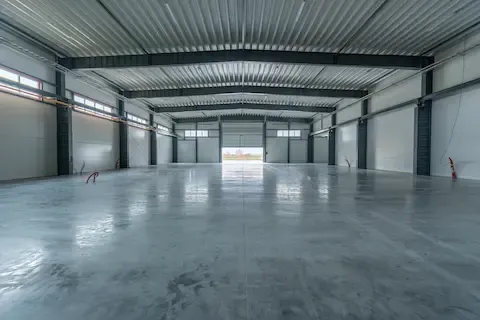
Commercial Concrete Installation in Camas Washington
Commercial concrete installation requires specialized expertise, heavy-duty equipment, and precise planning to deliver surfaces that withstand decades of heavy use. In Camas, Washington, businesses rely on durable concrete solutions for warehouses, retail spaces, office complexes, and industrial facilities that must perform under demanding conditions.
Understanding Commercial Concrete Applications
Commercial concrete serves fundamentally different purposes than residential applications. Your business needs surfaces engineered to handle forklift traffic, heavy machinery, constant foot traffic, and weather exposure while maintaining structural integrity and professional appearance. Warehouse floors require specific load-bearing capabilities, while retail spaces need attractive finishes that resist staining and wear.
Loading docks demand reinforced concrete with proper drainage systems, and parking areas need surfaces that resist freeze-thaw cycles common in Clark County winters. Each application requires different concrete mixes, reinforcement strategies, and finishing techniques tailored to the specific demands your facility faces daily.
Professional Commercial Concrete installation begins with thorough site analysis and soil testing to ensure your foundation supports the intended loads. Poor preparation leads to cracking, settling, and costly repairs that disrupt business operations.
Design Considerations for Clark County Commercial Projects
Your commercial concrete project must account for Clark County's unique environmental conditions, including seasonal temperature variations, rainfall patterns, and soil composition. The region's clay-heavy soils require specific foundation preparation techniques to prevent settling and cracking over time.
Load calculations become critical when designing concrete slabs for heavy equipment or high-traffic areas. Your contractor must consider point loads from machinery, distributed loads from storage systems, and dynamic loads from moving equipment. Inadequate load analysis results in premature failure and expensive reconstruction.
Drainage design prevents water accumulation that causes concrete deterioration and creates safety hazards. Proper slope calculations, drain placement, and waterproofing systems protect your investment and maintain safe working conditions throughout Pacific Northwest weather patterns.
Joint placement and reinforcement strategies control cracking and ensure long-term durability. Expansion joints accommodate thermal movement, while control joints direct cracking to predetermined locations. Steel reinforcement provides tensile strength that concrete lacks naturally.
ADA Compliance and Accessibility Requirements
Commercial projects must meet Americans with Disabilities Act requirements for slope, surface texture, and accessibility features. Ramps require specific grade percentages, landing dimensions, and slip-resistant surfaces. Sidewalks and walkways need proper cross-slopes for drainage while maintaining accessibility standards.
Professional contractors understand these regulations and incorporate compliance measures during the design phase rather than retrofitting later. Proper planning prevents costly modifications and ensures your facility welcomes all customers and employees safely.
Installation Process and Timeline Management
Commercial concrete installation follows systematic phases that minimize business disruption while ensuring quality results. Site preparation involves excavation, utility coordination, and subgrade stabilization. Poor preparation compromises the entire project, regardless of concrete quality or installation expertise.
Forming and reinforcement installation creates the framework for your concrete structure. Precise measurements and proper bracing prevent costly mistakes during the pour. Steel reinforcement must be positioned accurately to provide maximum strength where needed most.
Concrete placement requires coordination with ready-mix suppliers, weather monitoring, and sufficient crew size to complete sections before initial set begins. Large commercial pours often require continuous placement to prevent cold joints that create weak points in the finished surface.
Finishing techniques depend on intended use and aesthetic requirements. Warehouse floors may receive power floating for smooth, dense surfaces, while decorative concrete requires specialized stamping, coloring, or polishing processes. Each finish type demands different timing and expertise during installation.
Curing represents the final critical phase that determines long-term performance. Proper moisture retention and temperature control during the first seven days establish the concrete's ultimate strength and durability characteristics.
Quality Control and Testing Procedures
Professional installations include comprehensive testing protocols to verify concrete strength, air content, and workability. Slump tests ensure proper consistency for placement, while air content testing confirms adequate freeze-thaw protection for outdoor applications.
Compressive strength testing through cylinder samples provides documentation of concrete performance and compliance with project specifications. Core testing of hardened concrete verifies in-place strength when questions arise about installation quality.
Common Installation Challenges and Solutions
Weather conditions significantly impact commercial concrete installation in Camas, where rain and temperature fluctuations require flexible scheduling and protective measures. Hot weather accelerates curing and may cause rapid moisture loss, while cold conditions slow strength development and increase freeze risk.
Utility coordination becomes complex in commercial projects where existing underground services must remain operational during construction. Careful planning and communication with utility providers prevent service disruptions and costly conflicts.
Traffic management around active businesses requires detailed planning to maintain customer access while ensuring worker safety. Phased construction allows continued operations while providing adequate work space for quality installation.
Subgrade stability issues in Clark County's variable soil conditions require specialized solutions. Soft spots need removal and replacement with engineered fill, while expansive clays may require chemical stabilization or mechanical improvement.
Material Quality and Supply Chain Management
Commercial projects demand consistent concrete quality across multiple truck loads delivered over extended time periods. Your contractor must work with reliable suppliers who maintain strict quality control and can deliver on tight schedules.
Admixture selection affects workability, strength development, and durability characteristics. Air-entraining agents protect against freeze-thaw damage, while water reducers improve strength without compromising placement characteristics. Proper admixture use requires expertise and quality control.
Long-Term Performance and Maintenance Planning
Well-installed commercial concrete provides decades of reliable service with minimal maintenance when properly designed and constructed. However, preventive maintenance programs extend service life and maintain professional appearance throughout the concrete's lifespan.
Sealing exposed concrete surfaces protects against moisture penetration, chemical damage, and staining. Regular cleaning prevents buildup of materials that can cause surface deterioration or create slip hazards for employees and customers.
Joint sealing prevents water infiltration that causes subgrade problems and freeze-thaw damage. Flexible sealants accommodate thermal movement while providing watertight barriers against environmental exposure.
Regular inspections identify minor problems before they require major repairs. Early intervention for small cracks, joint failures, or surface wear preserves your investment and prevents business disruption from emergency repairs.
Many businesses benefit from professional maintenance programs that include regular inspections, cleaning, sealing, and minor repairs as needed. These programs cost less than reactive maintenance and ensure optimal performance throughout the concrete's service life.
Local Considerations for Camas Commercial Projects
Camas building codes and permit requirements affect commercial concrete projects through structural requirements, inspection schedules, and environmental compliance measures. Professional contractors understand local regulations and coordinate approvals to keep projects on schedule.
Environmental considerations include stormwater management requirements that affect drainage design and construction practices. Clark County regulations may require erosion control measures and runoff treatment systems during construction.
Local aggregate sources and ready-mix suppliers provide materials specifically designed for regional conditions. These suppliers understand local soil conditions, weather patterns, and performance requirements that affect concrete mix design and delivery logistics.
Established relationships with local suppliers, inspectors, and utility companies streamline project execution and problem resolution. Contractors familiar with Camas area conditions can anticipate challenges and implement solutions before problems develop.
The region's economic growth creates scheduling pressures as construction demand increases. Planning commercial concrete projects well in advance ensures availability of qualified contractors and materials when needed.
Professional Installation Benefits
Professional commercial concrete contractors bring specialized equipment, expertise, and experience that ensure successful project completion. Laser-guided screeds provide precise surface elevations, while power finishing equipment creates smooth, durable surfaces efficiently.
Experienced crews understand the timing and techniques required for different concrete applications. They coordinate material deliveries, manage multiple work phases, and adapt to changing conditions while maintaining quality standards.
Professional contractors carry appropriate insurance coverage and bonding that protects your business investment. They understand safety regulations and implement protective measures that prevent accidents and liability issues during construction.
Quality contractors provide warranties on their work and maintain relationships with suppliers who stand behind their materials. This accountability ensures problems receive prompt attention and resolution without additional cost to your business.
When considering concrete repairs, many property owners also evaluate related maintenance needs such as sidewalk repair across Camas to address comprehensive site improvements efficiently.
Investment Value and Return
Quality commercial concrete installation represents a significant capital investment that provides long-term value through durability, low maintenance requirements, and professional appearance. Well-executed projects serve businesses reliably for 20-30 years or more with proper maintenance.
Professional installation costs more initially but prevents expensive repairs, business disruptions, and safety issues that result from substandard work. The investment in quality pays dividends through reduced operating costs and maintained property values.
Your commercial concrete surfaces reflect your business's commitment to quality and professionalism. Well-maintained concrete facilities create positive impressions with customers, employees, and business partners while providing safe, functional work environments.
Energy-efficient concrete systems can reduce heating and cooling costs through thermal mass properties and reflective surfaces. These benefits contribute to operational savings and environmental sustainability goals many businesses pursue.
